
Upgrade when you've outgrown the racket, not because you're bored of it: you hit the middle nearly every time, you play twice a week or more, and you want more from your overheads. Make the second racket a step, not a leap. Usually that's a teardrop with a soft or medium core, not the racket your favourite pro plays.
Signs you've outgrown your first racket
- You hit the middle almost every time. A first racket's big, forgiving sweet spot has done its job.
- You make your own pace. Defence is comfortable, but your overheads lack finish.
- You play twice a week or more and want a racket for the player you've become.
- The racket is worn out. Dead spots, a dull sound and more vibration than it used to have are signs the foam core is tired; see when to replace a padel racket.
Signs you haven't
- You still mishit a lot, especially on the backhand and off the glass.
- Your elbow or wrist complains after a session.
- You play once a fortnight.
- The main reason is that a pro plays something different. Read what the pros actually use first.
None of these means you can't buy a new racket. It means a new racket of the same kind will serve you better than a step up.
Change one or two things, not five
Our how-to-choose guide suggests a year or two of play before moving towards a more attacking shape, and that's a fair rule of thumb. When you do move, change the shape or the core, not everything at once:
- Shape: round to teardrop is the usual step. It moves a little weight up the head for more help overhead and keeps most of the forgiveness.
- Core: soft to medium, if your arm is happy. Stay soft if it isn't; see soft vs hard padel rackets.
- Face: fibreglass to carbon, or a carbon-fibreglass blend, gives a crisper, more direct feel.
- Weight: stay within about 10g of what you're used to. A big jump in weight is hard on your arm and your timing.
Should an intermediate move to a diamond?
Not automatically. A diamond's sweet spot sits higher and smaller, so it rewards a strong, consistent overhead and punishes everything else. Most club players play better with a teardrop for longer than they expect, because padel points are lost to mistakes far more often than they're won with winners. If you're the attacking net player in your pair, your overheads are reliable and your arm is happy, a forgiving diamond with a soft or medium core is a reasonable next step. Otherwise, a teardrop. Our guides to racket shapes and control vs power go deeper.
Our second-racket shortlist
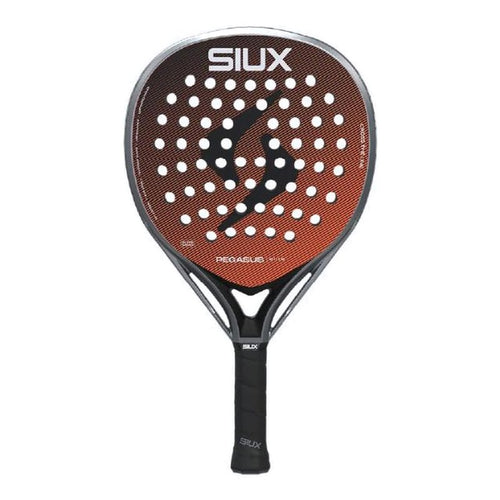
Teardrop and round, control first. The natural step from a beginner racket:
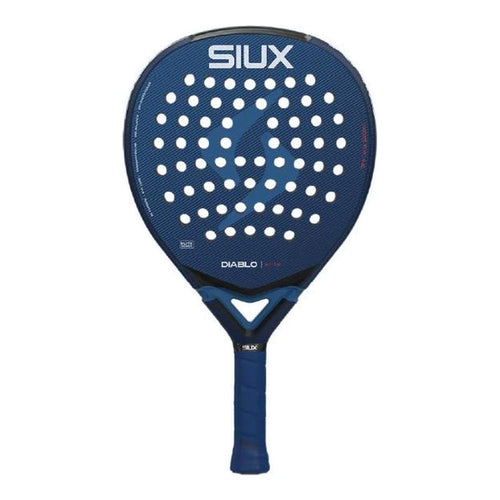
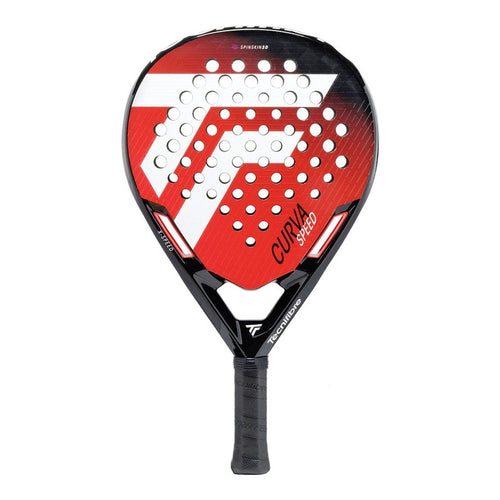
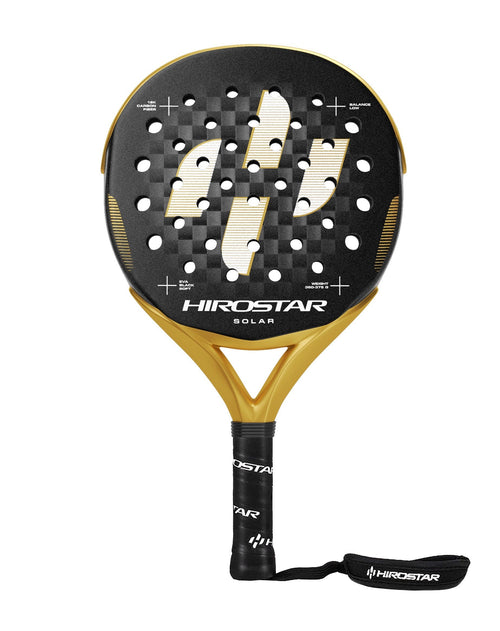
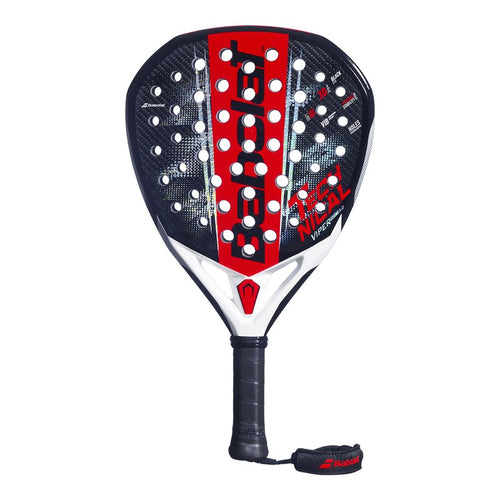
Forgiving diamonds and all-rounders. More help overhead without a stiff, demanding feel:
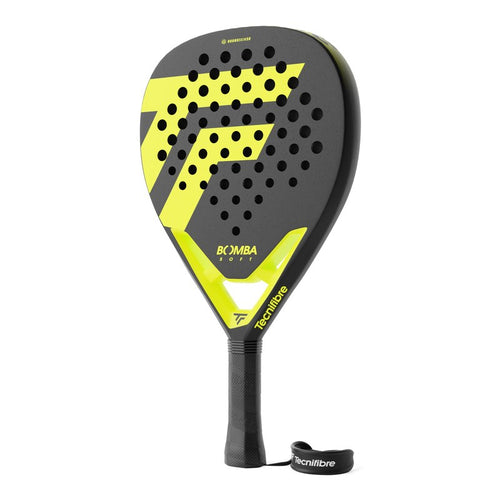
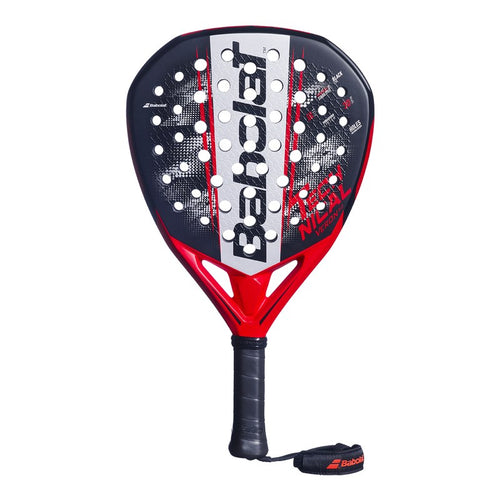
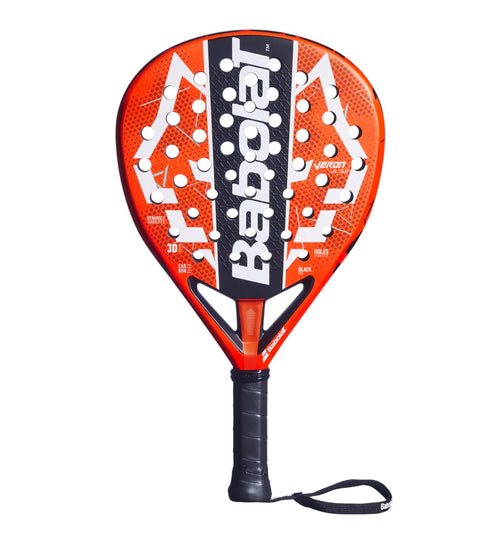
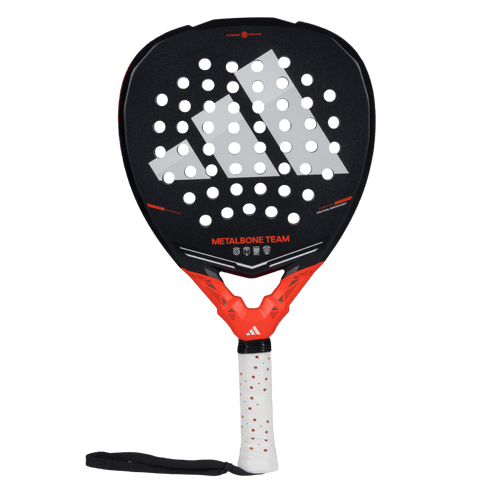
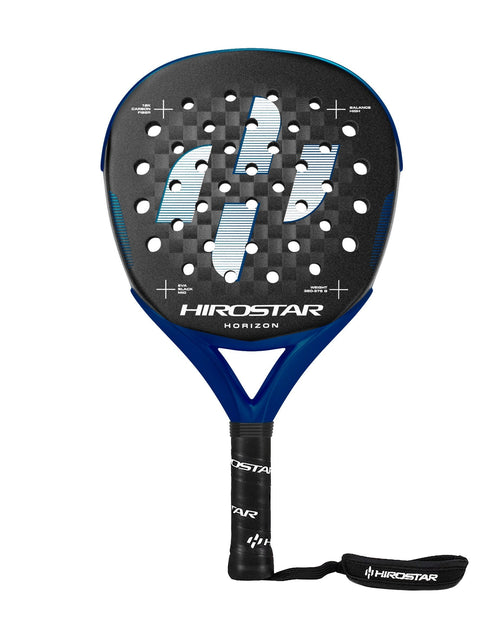
More punch. For confident intermediates who want finish:
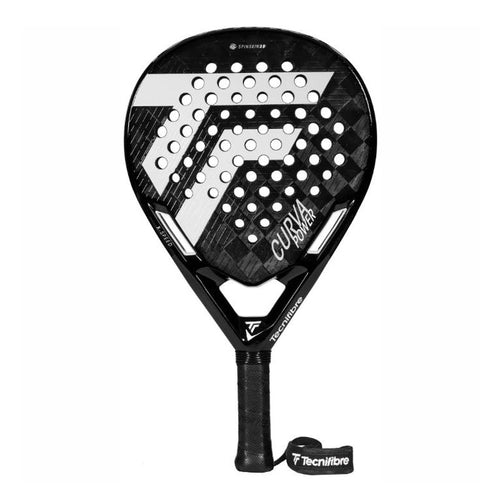
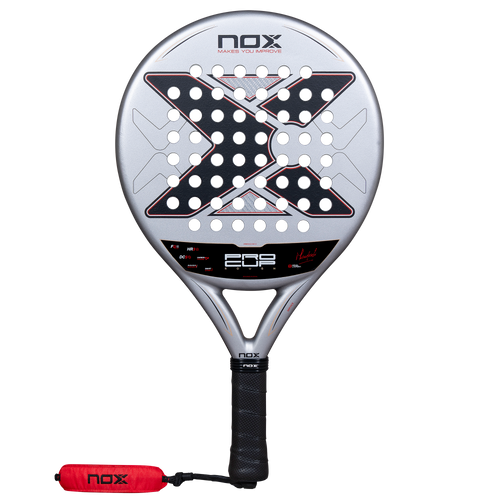
On pre-order for 2027. Tapia's Pro Cup Soft is a comfortable teardrop step up, and the ML10 Pro Cup Rough is the classic round control racket with textured faces:

Keep the old one
Your first racket makes a good spare for the day your main one is out of action, and it's the racket to lend a friend who's trying padel for the first time.
Let the finder do the narrowing
Tell it how you play now, not how you played when you bought your first racket.
Written by the Australian Padel Shop team and last reviewed on 20 October 2026. Prices on this page are pulled live from our catalogue.