"Soft" and "hard" describe the foam core inside the racket, not the face. A soft core sends the ball long with little effort and is kinder on the arm; a hard core gives back exactly what you put in, precise and punchy when you swing fast, harsh and short when you don't. If you're newer to padel or your elbow complains, start soft.
What "soft" and "hard" actually describe
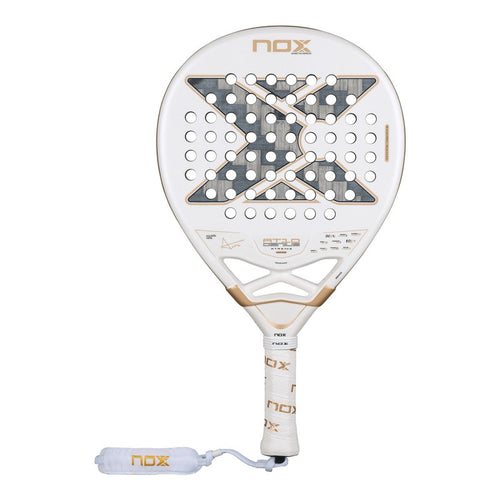
Under the face of almost every padel racket is a foam core, usually EVA. Brands make that foam in different densities and describe the result as soft, medium or hard. NOX call theirs HR3 Soft and HR3 Hard EVA, adidas use EVA Soft Performance and EVA High Memory, and Babolat sell "Soft" versions of rackets such as the Viper Juan Lebrón.
The face, carbon or fibreglass, is a separate layer that changes the feel too. Our guide to carbon vs fibreglass covers that half.
Same racket, two cores
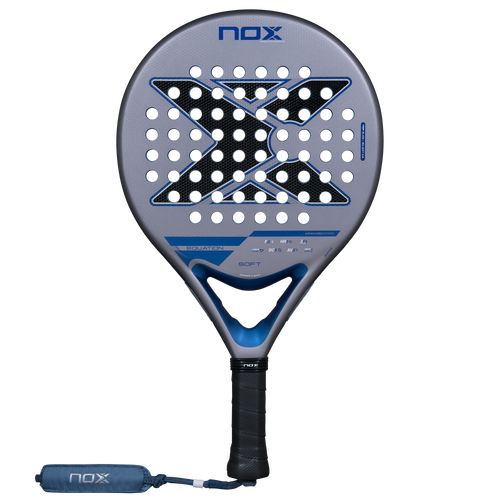
The clearest way to see the difference is a racket sold both ways. NOX make two pairs for 2027: the round Equation Soft and Equation Hard, and Agustín Tapia's teardrop AT10 Pro Cup Soft and Pro Cup Hard. Padelful's reviews of the 2026 versions, which we quote on the product pages, found:
- Pro Cup Soft: 9.1 for rebound, so the ball comes out of defence with very little effort, but flat smashes lack finish.
- Pro Cup Hard: 9.1 for control and strong at the net, but less forgiving, with 7.9 for sweet spot and 7.1 for rebound.
- Equation Soft: very easy ball exit and good defence, weak on the smash.
- Equation Hard: stable in defence and good on the bandeja and víbora, but it asks for clean contact.
That's the trade in a sentence: a soft core helps the ball you didn't hit perfectly, and a hard core rewards the one you did.
| Soft core | Hard core | |
|---|---|---|
| Slower swings | The ball still travels; the core does some of the work | The ball comes up short; you supply the pace |
| Fast, clean swings | Less crisp | Precise and punchy |
| Off-centre hits | More forgiving | Punished |
| On the arm | Kinder | More vibration |
| Over time | Feels better, fades sooner | Keeps its feel longer |
Soft isn't automatically arm-friendly
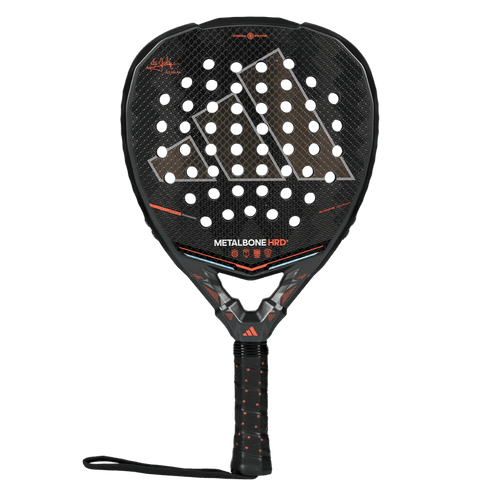
A soft core is only one part of comfort. Some power rackets use soft foam because it adds ball speed, then put it in a diamond with a high balance. The adidas Metalbone 2026 has a soft EVA core, but its shape and balance make it a demanding racket, and we don't flag it as arm-friendly. For a sore arm you want the whole package: soft core, round head, low balance. Our padel and tennis elbow guide goes through it, and our Metalbone comparison sets the soft Metalbone against the hard HRD+.
Who should choose which
Choose soft if you're newer to padel, you play social doubles, your swing is more controlled than fast, you defend a lot from the back, or you've had elbow or wrist trouble.
Choose hard if you hit hard and clean, you play often enough to keep your timing, you want precision at the net and finish on your overheads, and your arm has never complained.
Not sure? Take the soft one. A soft racket that's a little slow costs you the odd point; a hard racket that's too much for you costs you consistency, and it's harder on your arm.
Soft-core rackets

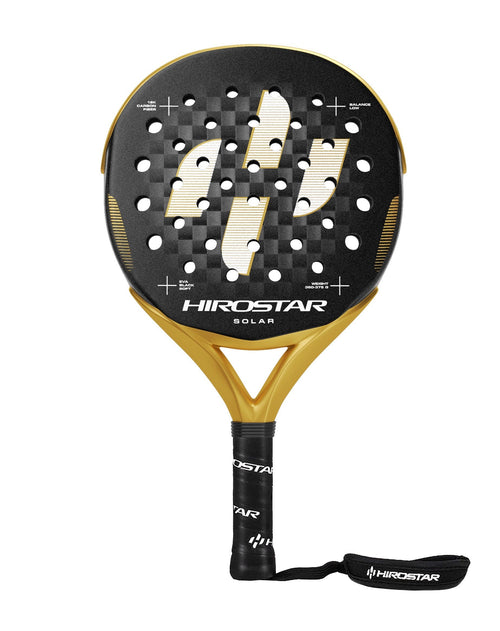
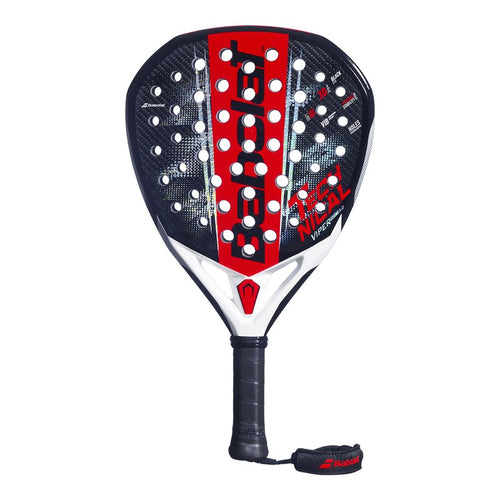
Hard-core rackets
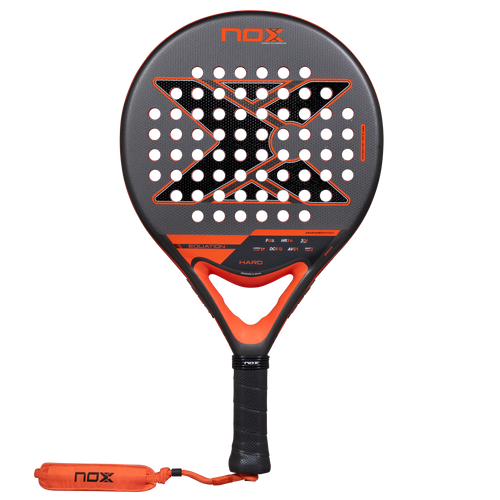
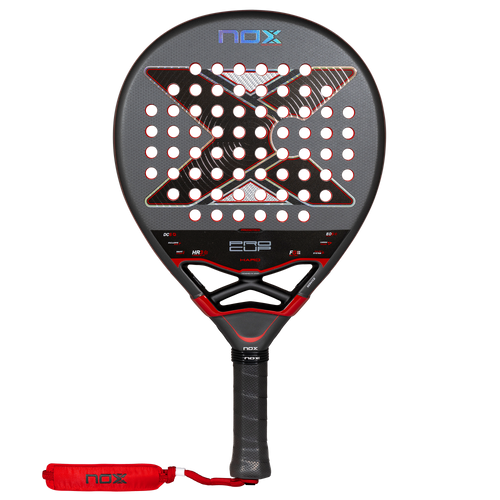
Every arm-friendly racket we stock →
Sources
We checked every rating and source on this page on 30 October 2026. Each one links to the page it comes from.
- Padelful (one reviewer; five scores out of 10, built from the specification, professional reviews and player feedback): NOX AT10 Pro Cup Soft 2026, AT10 Pro Cup Hard 2026, Equation Soft 2026, Equation Hard 2026.
- Playtomic: Lenny Grabisch's guide to hard and soft padel rackets, 10 April 2025.
- Specifications: each maker's published figures, as listed on every racket's product page.
Written by the Australian Padel Shop team and last reviewed on 20 October 2026. Prices on this page are pulled live from our catalogue. Review scores are Padelful's, for the 2026 versions, as quoted on our NOX product pages; we have not court-tested these frames ourselves.