
Four things decide whether a racket suits you: shape, weight, balance and core firmness. Everything else is detail. If you are new, start with a round head, a soft core and something at or under 360g — that combination is the most forgiving and the kindest to your arm.
The short version
A padel racket is a solid, perforated bat with no strings. Because there are no strings, almost all of the feel comes from three things: the shape of the head, where the weight sits, and how firm the foam core is. Get those right for your game and the racket will feel obvious in your hand. Get them wrong and no amount of carbon will fix it.
1. Shape decides forgiveness
Shape controls where the sweet spot sits. That single fact explains most of the difference between one racket and another.
- Round — the sweet spot sits low and central, close to your hand. The most forgiving shape, the easiest to control, and the most comfortable if you have any arm trouble. Least raw power.
- Teardrop — the sweet spot moves up the face. A genuine middle ground, and where most players end up once they can consistently find the middle of the racket.
- Diamond — the sweet spot sits high, with weight toward the head. The most power on the smash and the least forgiveness anywhere else. Off-centre hits feel dead and jar the arm.
- Hybrid — sits between teardrop and diamond. Keeps some of the diamond's punch while widening the sweet spot.
We go deeper on this in round vs teardrop vs diamond.
Round rackets — the forgiving option →
2. Weight is about stamina, not strength
Padel rackets sit in a narrow band, roughly 340g to 380g. That sounds like a small range. It isn't — 20g at the end of your arm, swung a few thousand times across a two-hour session, is the difference between finishing strong and finishing sore.
Heavier frames give you more free power and hold their line better against a fast ball. Lighter frames get to the ball quicker at the net and are far easier on the elbow and shoulder. Neither is better. Pick for how long you play and how your body feels afterwards, not for how it feels in the first ten minutes.
One practical note: manufacturers publish a weight range, not a fixed number, and the actual frame you receive can vary by around ten grams either way. That is normal across every brand. We publish the range rather than a single figure for exactly that reason.
3. Balance is where that weight sits
Two rackets can weigh the same and feel completely different depending on where the mass is distributed.
- Low (head-light) — quick through the air, easy to manoeuvre at the net, the most control. Favoured by defensive players.
- Medium — the sensible default, and where most all-round frames sit.
- High (head-heavy) — more mass behind the ball on a smash. Slower to swing and noticeably more tiring over a long match.
Head-heavy plus diamond is the classic attacking combination. It is also the combination most likely to cause problems if your technique is still developing, because it asks you to generate racket-head speed and to hit the middle consistently. More on this in weight and balance explained.
4. Core firmness is the one nobody mentions
Under the carbon or fibreglass face is a block of EVA foam. How firm that foam is decides how the ball feels leaving the racket, and it matters more for arm comfort than anything else on the spec sheet.
A soft core compresses more, holds the ball fractionally longer, and absorbs shock. It is more forgiving and more comfortable. A firm core returns energy faster, which produces more power for a player swinging hard enough to compress it — and produces a harsh, dead, jarring feel for a player who isn't.
Brands name their foams differently — you will see EVA Soft Performance, X-EVA, HR3 Black EVA, Multi Soft Foam and Power Foam across the range we stock. We publish the manufacturer's exact wording on every product page and also group them into soft, medium and firm so you can filter on something you can act on.
Arm-friendly rackets — soft cores, forgiving shapes →
What about carbon?
Face material gets more marketing attention than it deserves. Fibreglass flexes more, feels softer, and costs less. Carbon is stiffer, more responsive and more durable. The weave numbers — 3K, 12K, 18K, 24K — refer to how many thousands of filaments are in each fibre bundle, not to quality. Counter-intuitively, a higher number often means a finer, softer, more comfortable weave rather than a stiffer one. It is not a ranking. Full explanation in carbon vs fibreglass.
For a first or second racket, fibreglass is not a compromise. It is genuinely the more suitable material for most club players, and it is why several of the best-selling frames in the world have fibreglass faces.
Putting it together — with the rackets we'd point you to
The cards below are live from our shelf: today's price, RRP and stock. If one drops out, it has sold through.
Buying your first racket
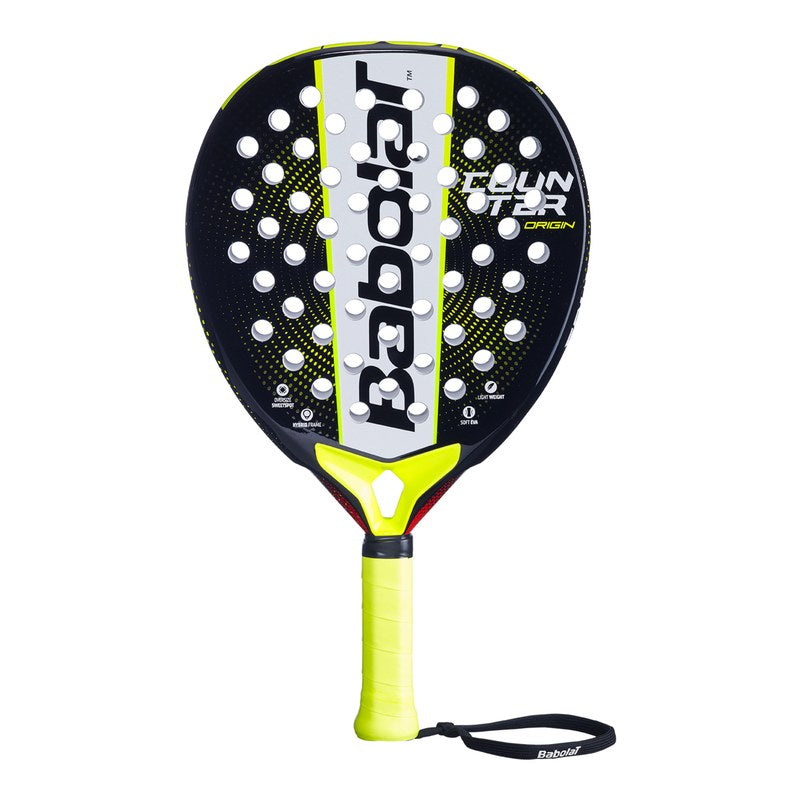
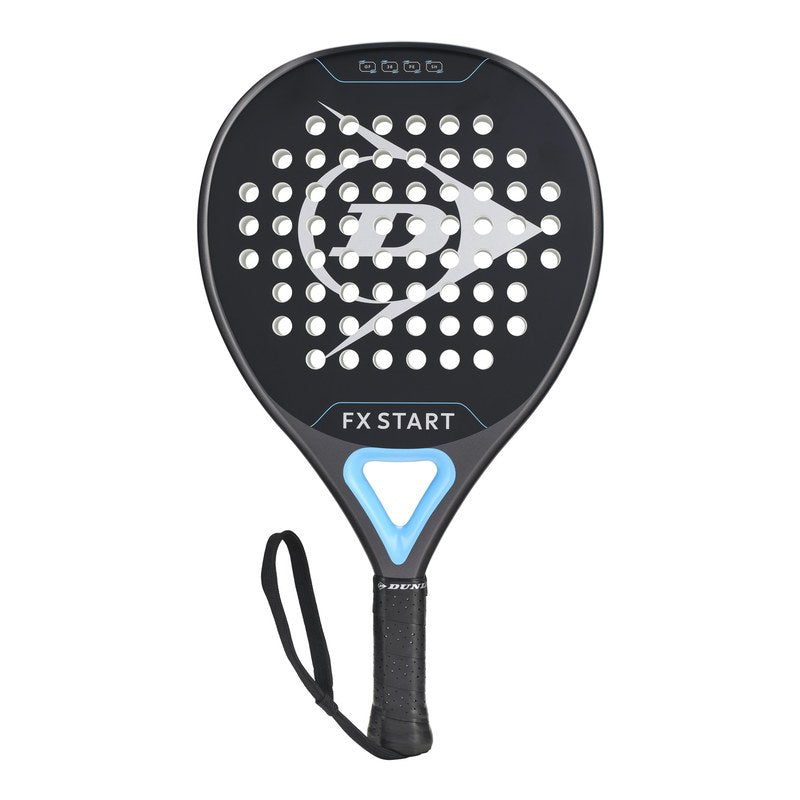
Round head, soft core, 355–365g, medium or low balance. Spend less than you think you need to — you will learn what you actually want from your second racket, and that knowledge is worth more than the extra $200.

Played a year or two and want to attack more
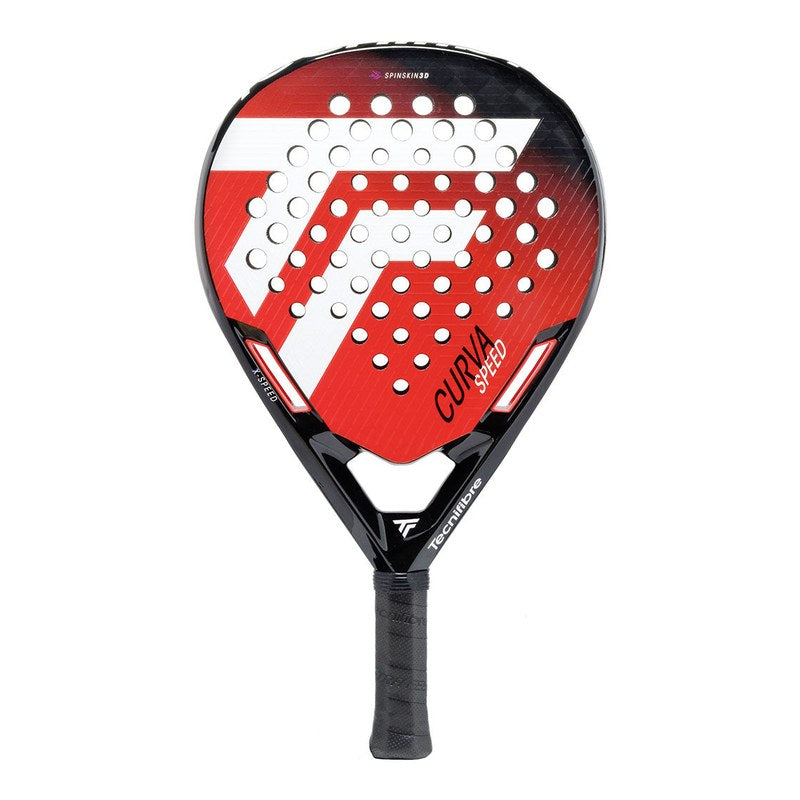
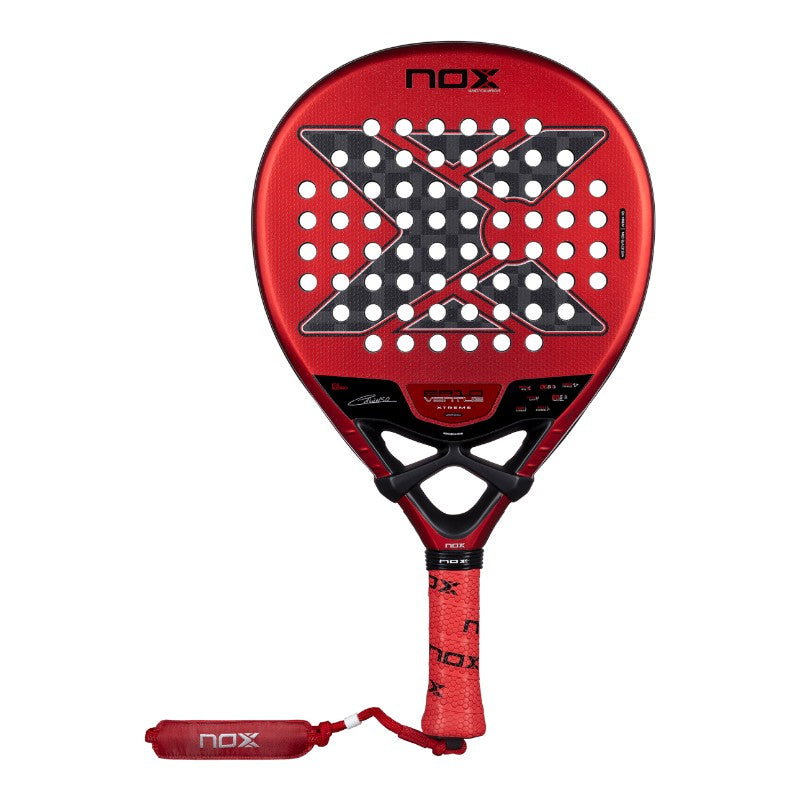
Move to a teardrop before you move to a diamond. It is the step most people skip and then regret.
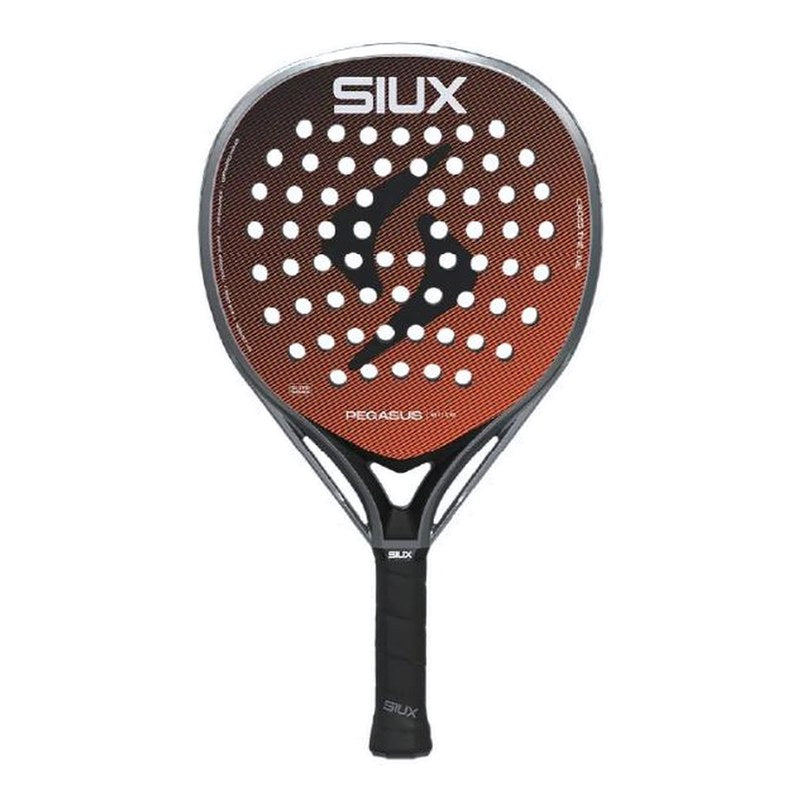
Managing elbow or shoulder trouble
Soft core first, weight second, round shape third. Do not buy a diamond frame, whatever it costs.

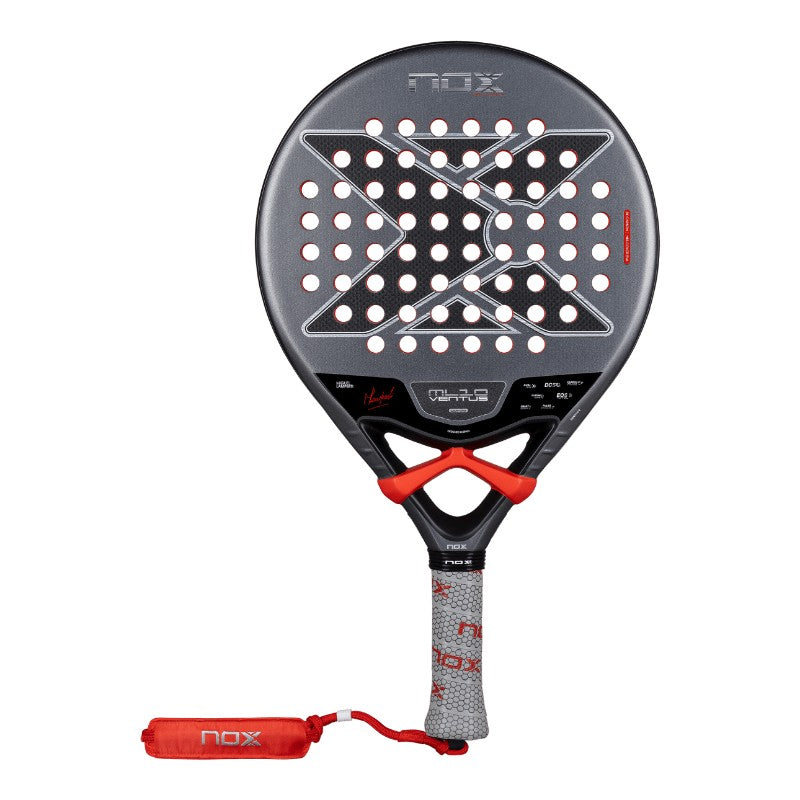

Not sure? Run the racket finder
Five questions, about a minute. We score every racket we range against your answers and show you why each one came up.
Written by the Australian Padel Shop team and last reviewed on 12 September 2026. Prices on this page are pulled live from our catalogue. We publish the manufacturer's specification for every product and record where and when we checked it. Where we haven't tested something ourselves, we say so.