
Padel rackets are consumables. Not like balls — but not like tennis racquets either, which last a decade. Every hit compresses the EVA core a little; eventually the foam stops bouncing back, and the racket goes quietly, feel-first. Here's how long frames really last, the signs one is done, and how to get months more out of yours.
Real-world lifespan
| You play… | Expect to replace… |
|---|---|
| 4–5 times a week (competitive) | Every 3–5 months |
| 2–3 times a week (regular club player) | Every 5–12 months |
| Occasionally / socially | Every 1.5–3 years |
The engineering behind it: after roughly 10,000 impacts — about 50–70 hours of hard play — the EVA's cell structure starts breaking down microscopically. Hard EVA cores hold their memory longer than soft foam (the trade-off is comfort); softer cores feel great and fade sooner.
Replace it NOW if…
- There's a crack in the face or frame that flexes or spreads — the structure is gone, even if it still "plays fine".
- It rattles. Loose material inside means the core has broken up.
- The face stays dented after a mishit — compressed foam doesn't uncompress.
Replace it SOON if…
- Dead spots — areas of the face that return nothing. The usable sweet spot shrinks as EVA fatigues.
- The sound changed — that crisp "pock" has gone dull and papery.
- More vibration than you remember — fatigued foam stops absorbing shock and your elbow inherits the job.
- "I just didn't catch that one" — a dozen times a set. It isn't you. It's the foam.
Make the next one last longer
- Fit a frame protector on day one. Padel walls eat naked frames, and a protector costs a fraction of a scraped-through edge.
- Never leave it in a hot car. Queensland cabin temperatures hit 60–70°C — EVA and glue delaminate. The #1 racket killer on the Gold Coast, ahead of every wall.
- Store it flat, not standing on its head, and out of direct sun.
- Dry it after humid sessions before it goes back in the bag.
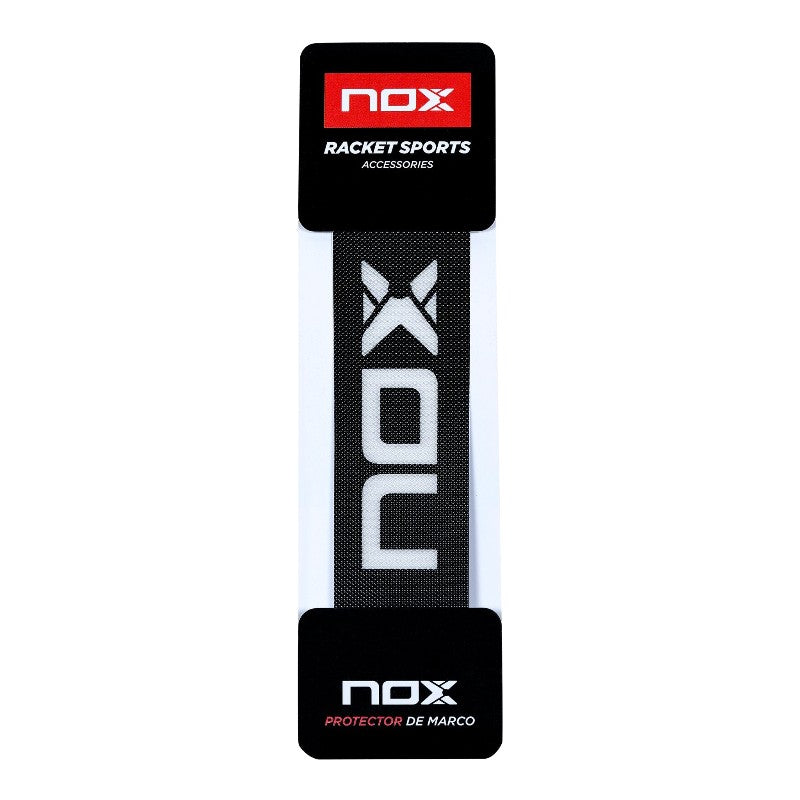
The upgrade silver lining: because frames are consumables, last season's model is this season's bargain — same racket, superseded sticker. Our clearance rack is where fatigued-racket money goes furthest, and the how to choose a racket guide will help you pick the next one.