
Control rackets keep the ball in play and make defence easier. Power rackets finish points and make defence harder. Most players benefit from control for longer than they think, because padel points are won by the other side making a mistake far more often than by a winner.
The honest starting point
Padel is a game of long rallies and forced errors. At club level, the overwhelming majority of points end because someone made a mistake, not because someone hit a winner. That single fact should shape what you buy, and usually doesn't.
A control racket makes you harder to beat. A power racket makes you more dangerous when you get the chance. Both are legitimate. But if you are choosing between them and genuinely unsure, control is the higher-percentage choice, and it stays useful as you improve.
What makes a racket a control racket
Control frames tend to combine a round head, a low or medium balance, and a softer core. Each of those does the same job from a different direction: keeping the sweet spot large, keeping it close to your hand, and letting the ball sit on the face fractionally longer so you can direct it.
The practical result is that a slightly mistimed shot still goes roughly where you intended. Over a long rally that is worth more than power.
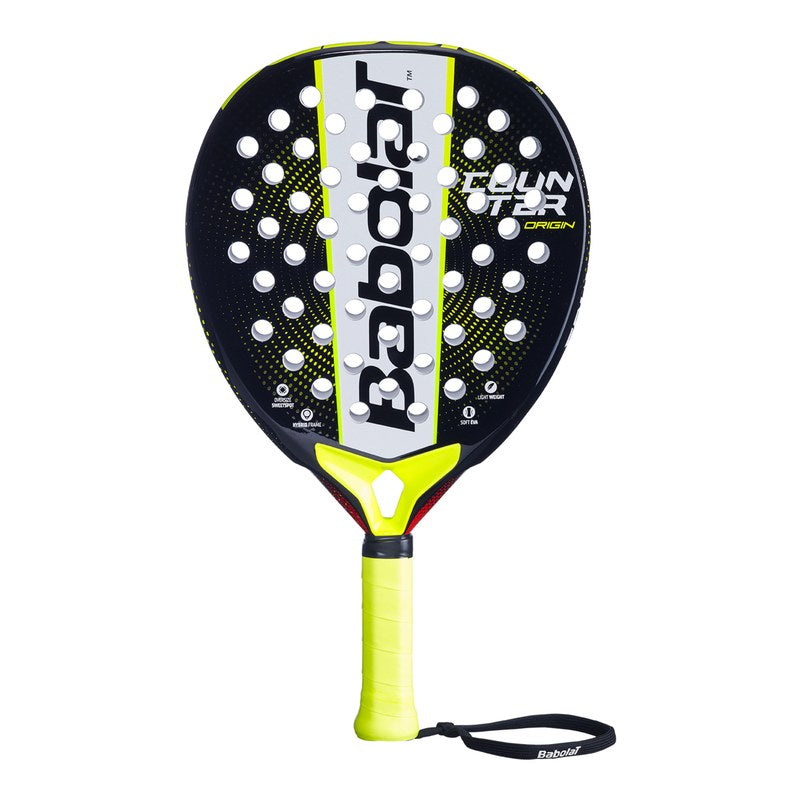

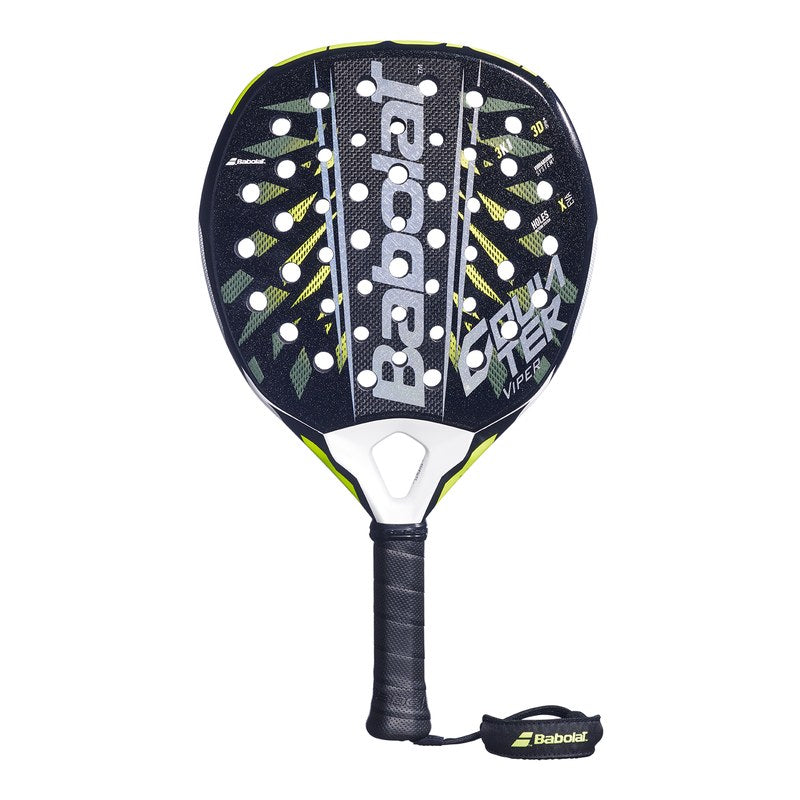
Shop all control rackets → · Our best-for-control shortlist →
What makes a racket a power racket
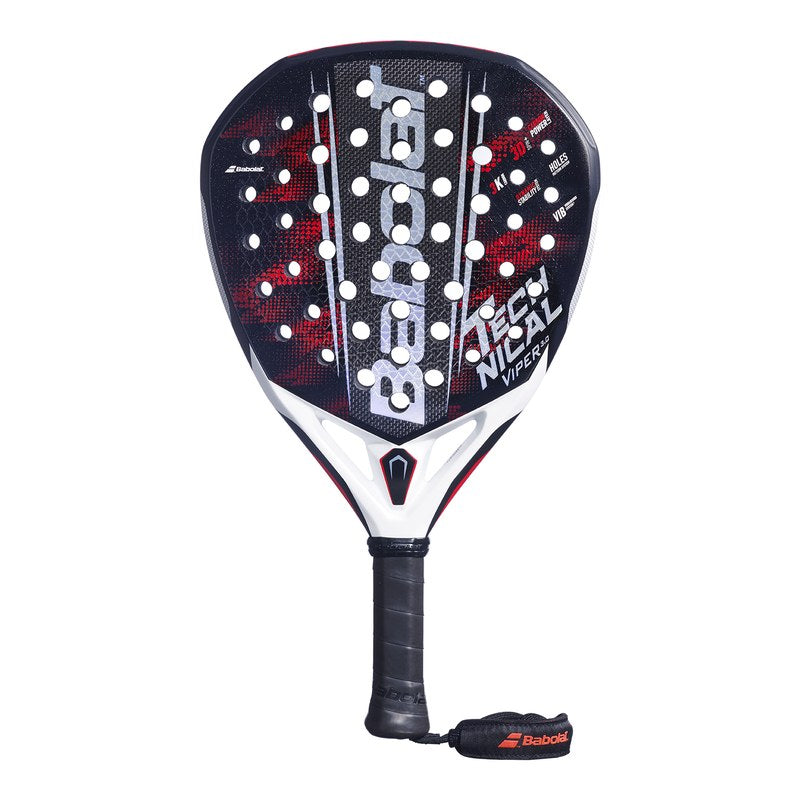
Power frames combine a diamond or teardrop head, a high balance, and a firmer core. Mass sits high and returns energy fast. When you swing well and hit the middle, the ball leaves considerably harder for the same effort.
The trade is real and it is not subtle. The sweet spot shrinks, off-centre shots go dead, and the frame transmits more shock to your arm. A power racket amplifies whatever you do — including the mistakes.
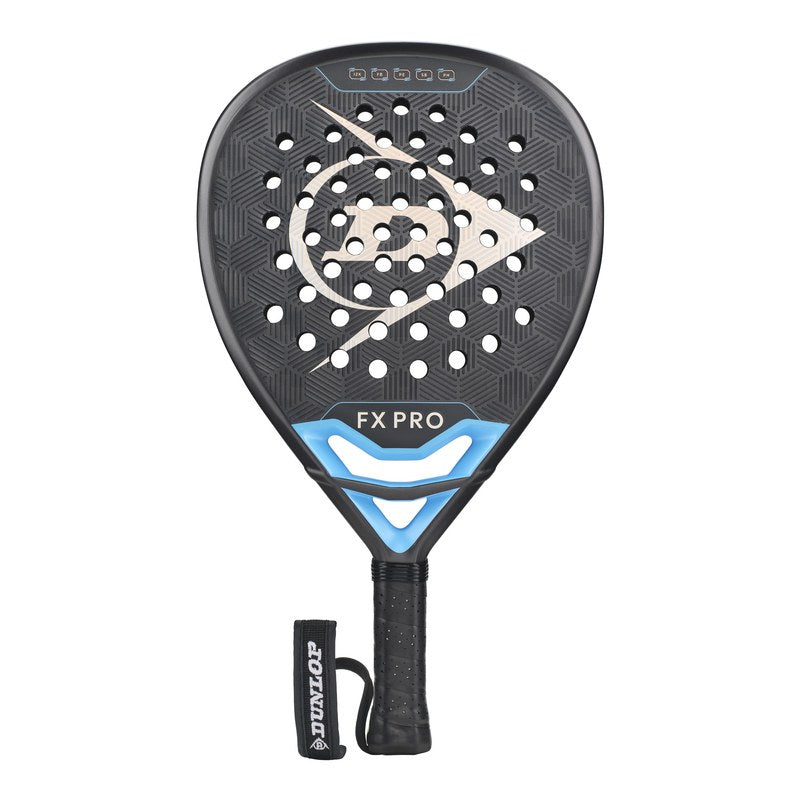
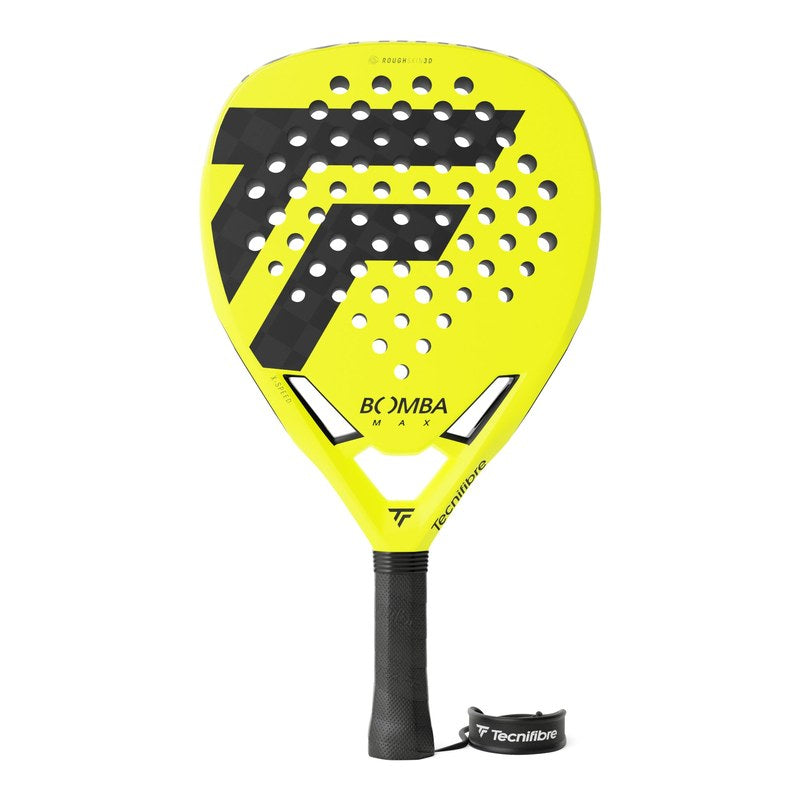
Shop all power rackets → · Our best-for-power shortlist →
All-round frames
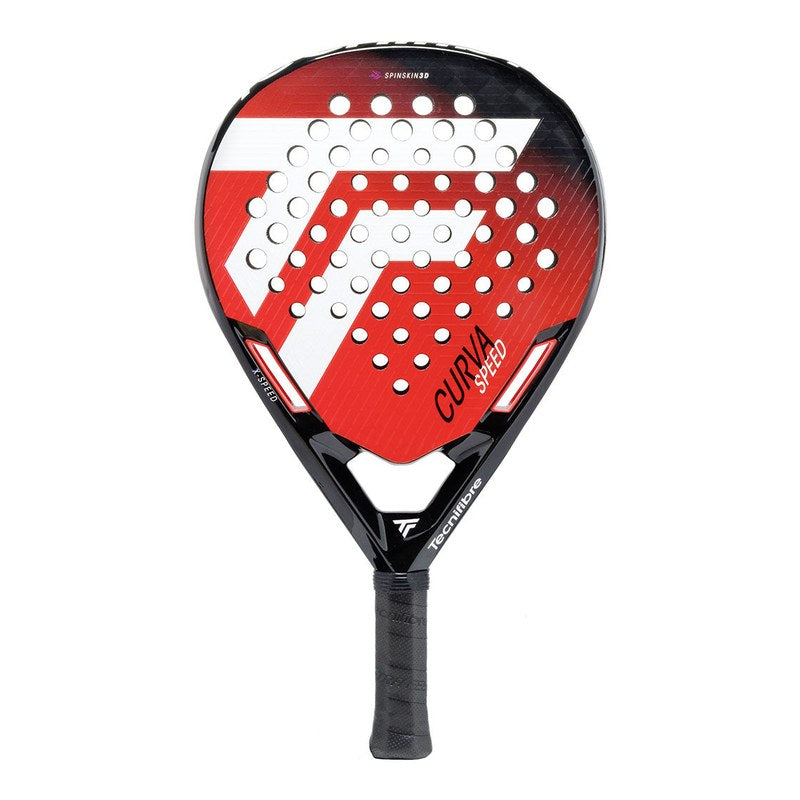
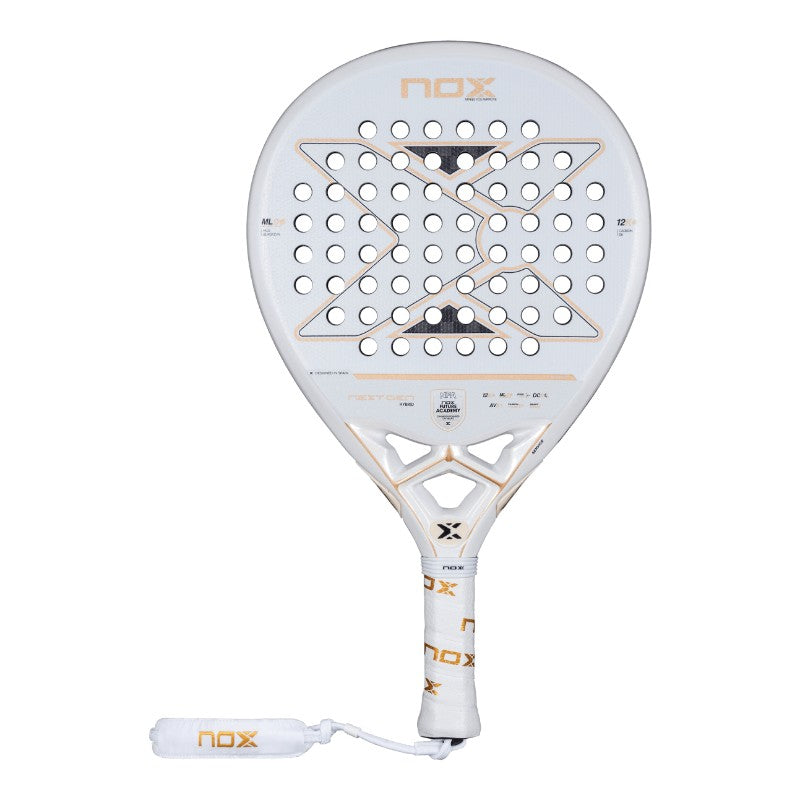
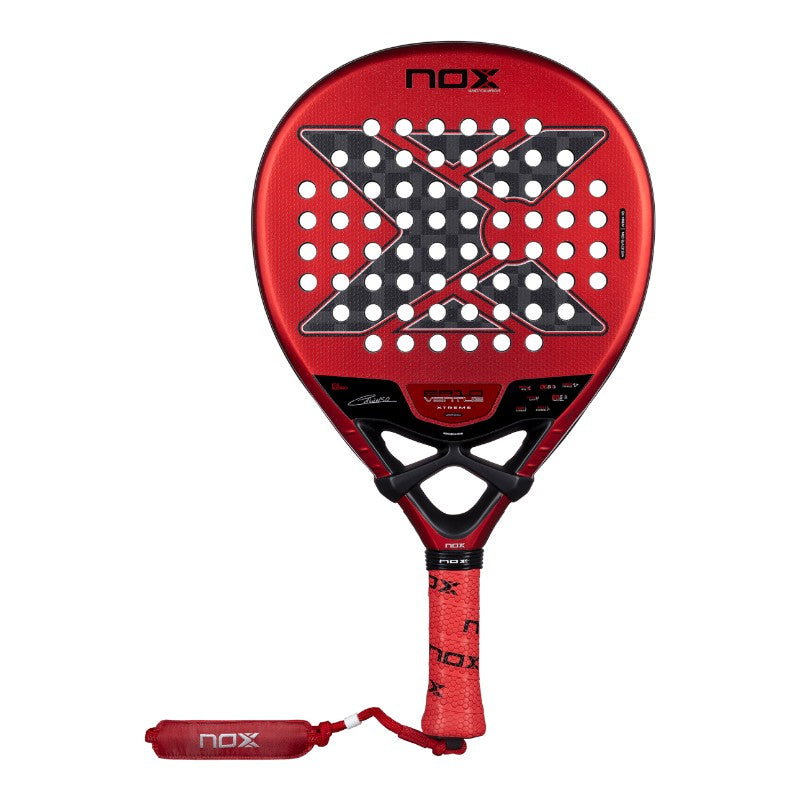
The middle category is not a compromise for people who can't decide. All-round frames — usually teardrop, medium balance, medium core — are what a large number of very good players choose, because padel asks you to defend and attack within the same point.
A quick self-check
Think about your last few matches honestly.
- Do you lose more points on unforced errors than you win on winners? Control.
- Do you get short balls at the net and fail to finish them? Power, or at least a teardrop.
- Do you spend most of the point at the back defending off the glass? Control.
- Does your arm ache the day after? Control, and a softer core — this one overrides everything else on the list.
The thing worth saying plainly
Power is not an upgrade path. It is a different set of trade-offs, chosen by players whose technique can pay for them. Moving from a control frame to a power frame is a sideways step that suits some players and makes others measurably worse. Treat it as a choice, not a promotion.
Let the finder weigh it up
The second question in our racket finder is exactly this one, and it carries the most weight in the result.
Written by the Australian Padel Shop team and last reviewed on 12 September 2026. Prices on this page are pulled live from our catalogue. We publish the manufacturer's specification for every product and record where and when we checked it. Where we haven't tested something ourselves, we say so.