A padel racket in Australia runs from about $140 to about $570. Under $200 buys a real frame from a real brand. Past roughly $450 you are paying for tour-level materials, not for a racket that will make you better. Here is what each band actually buys.
The short answer
Across the 32 rackets we have on the shelf as this is written, the cheapest is $141.95 and the dearest is $568.95. That is the real Australian range for a current-season frame from a brand with a warranty behind it. Everything below is priced live from our own catalogue — if a card shows a different number to the one in the text, trust the card, because the card is today's price and the text was written on 12 September 2026.
A complete first setup — racket, overgrip, frame protector and a can of balls — starts around $180. A serious club player's setup, with a mid-tier frame and a proper bag, lands around $450–$550.
Under $200 — your first racket
This band gets less respect than it deserves. A fibreglass or soft graphite face, a round or hybrid head, a medium core: that is exactly the specification a beginner should be playing, and it costs less because fibreglass is cheaper than carbon, not because the racket is a toy.
What you give up is durability and top-end power, neither of which matters in your first year. What you get is the biggest sweet spot available at any price, because forgiveness comes from shape and softness, and both are cheap.
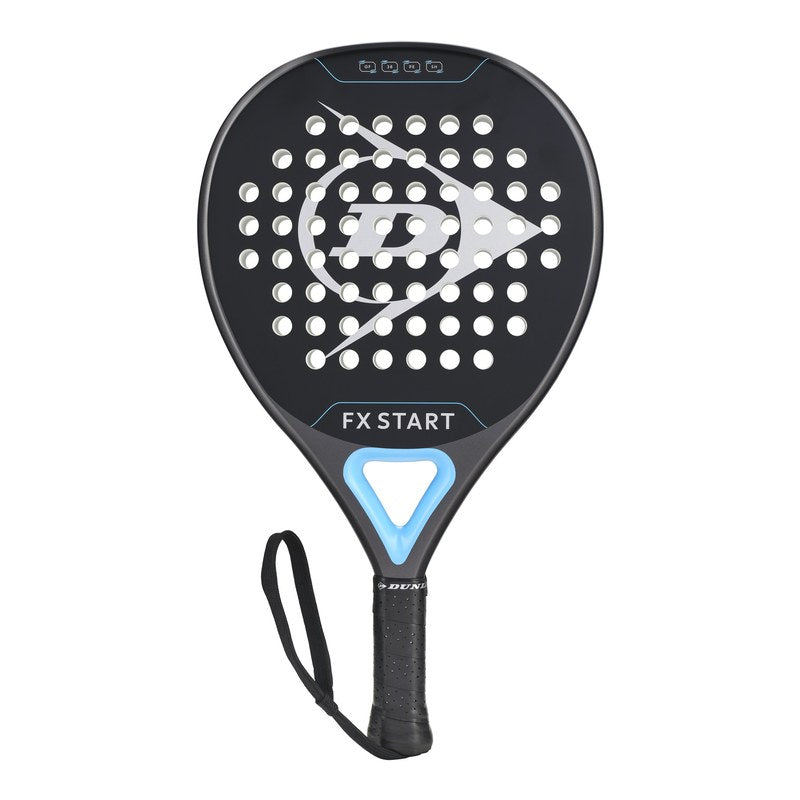
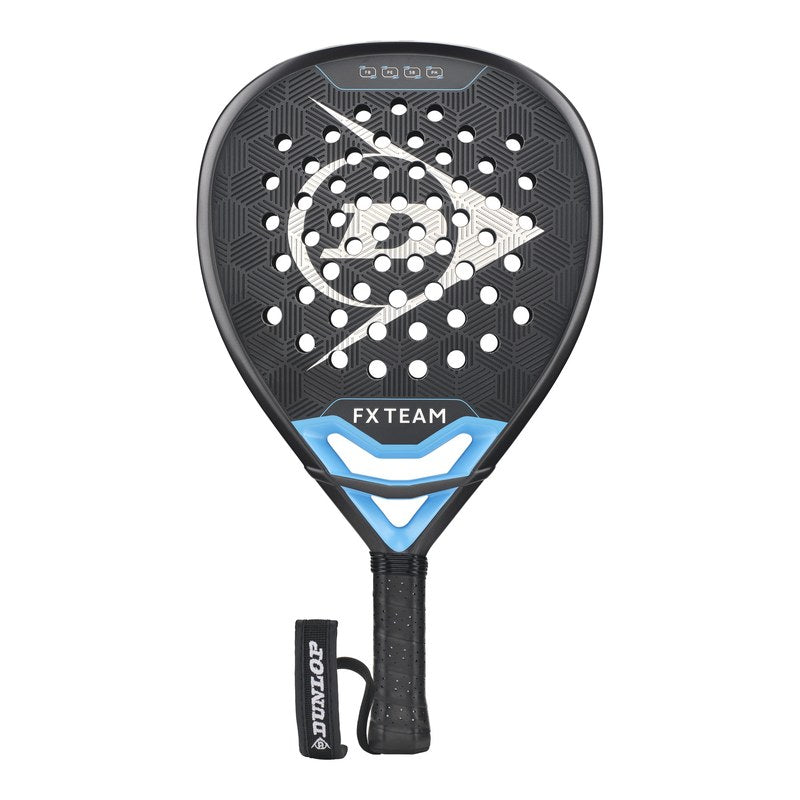
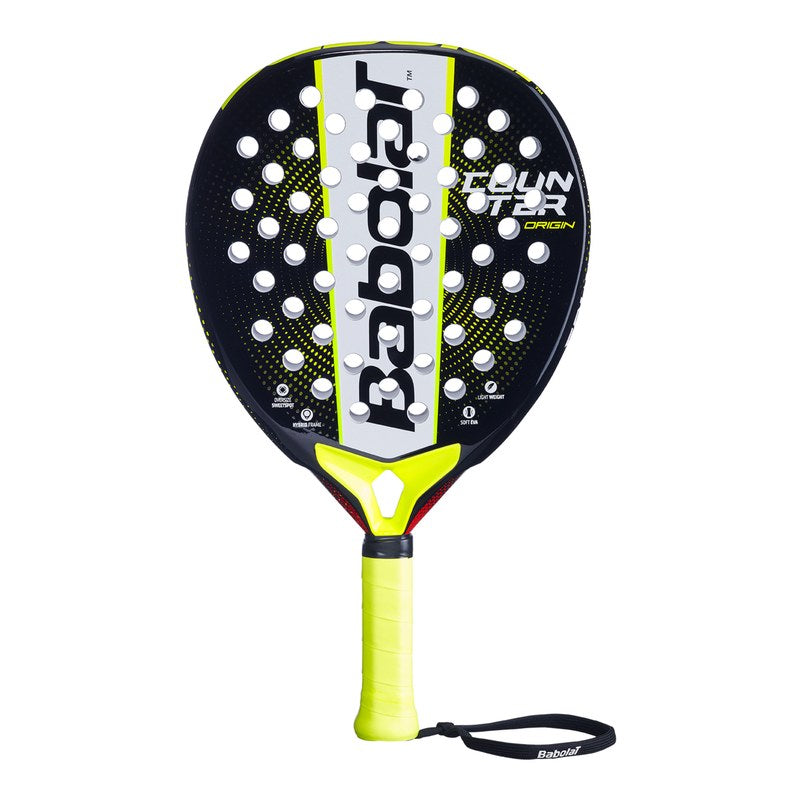
Buy here if you have played fewer than about twenty times, or if you are not yet certain padel is going to stick. You will learn more about what you actually want from six months with a $150 racket than from any amount of reading.
$200–$300 — the second racket, or a confident first one
The jump from the entry tier buys you carbon in the face, a firmer and more responsive core, and a shape chosen for a playing style rather than for maximum forgiveness. Frames here start to feel like specific tools: this one defends, that one attacks.
This is also where last season's premium stock lands once it is superseded, which is why the band occasionally contains a racket that has no business being this cheap — the Electra ST4 Pro below carries a $595 RRP.


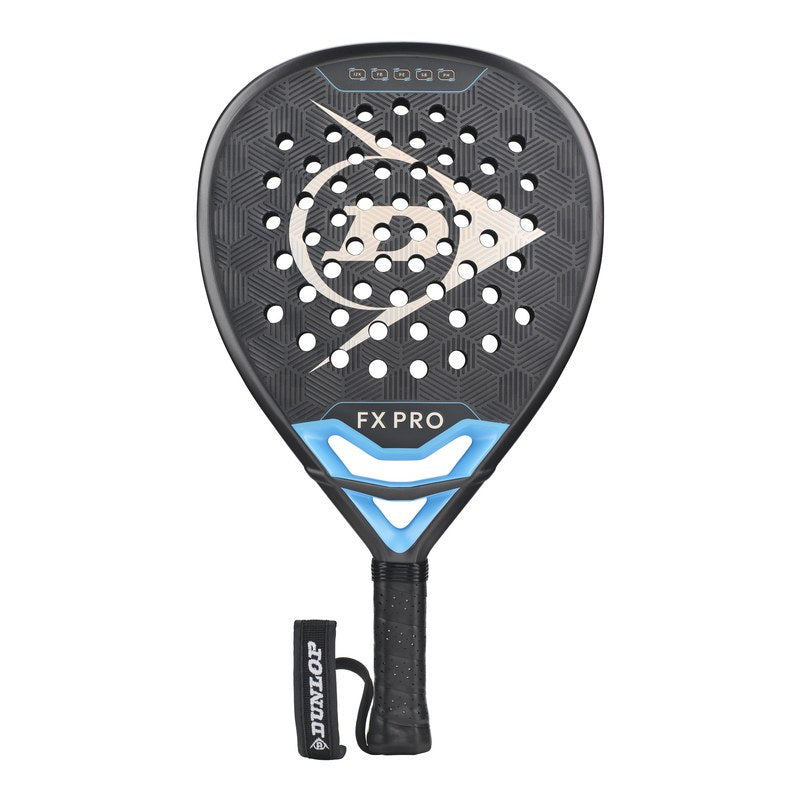
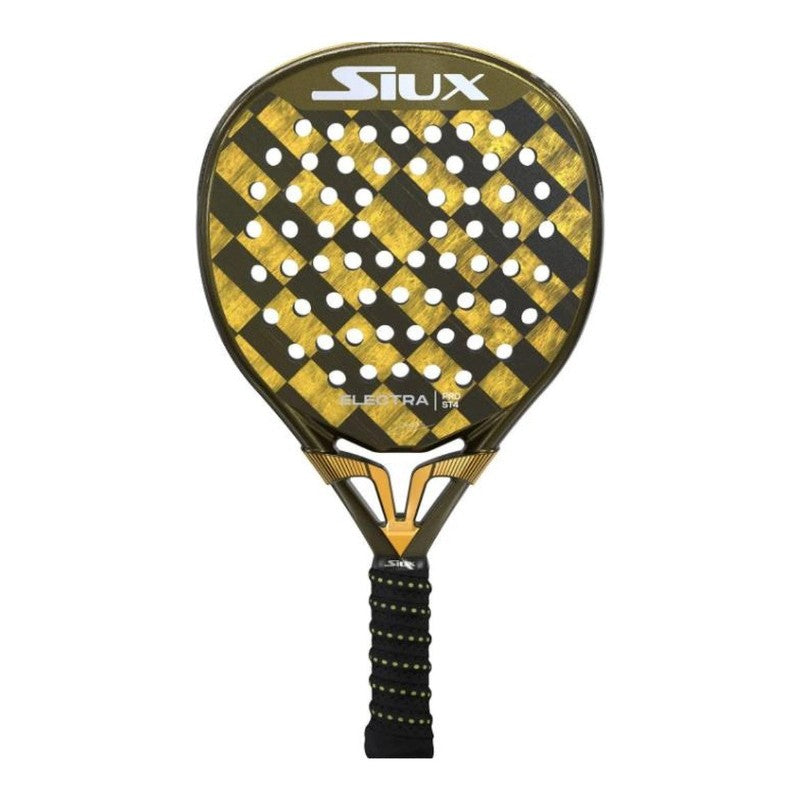
For most club players who have been at it a year, this band is the correct answer and the $500 band is vanity.
$300–$450 — the club player's band
Full carbon faces in heavier weaves, cores tuned rather than just chosen, and the shapes get more committed. A racket here will not hold you back at any level of club play, and several are simply last year's tour frame with this year's sticker missing.
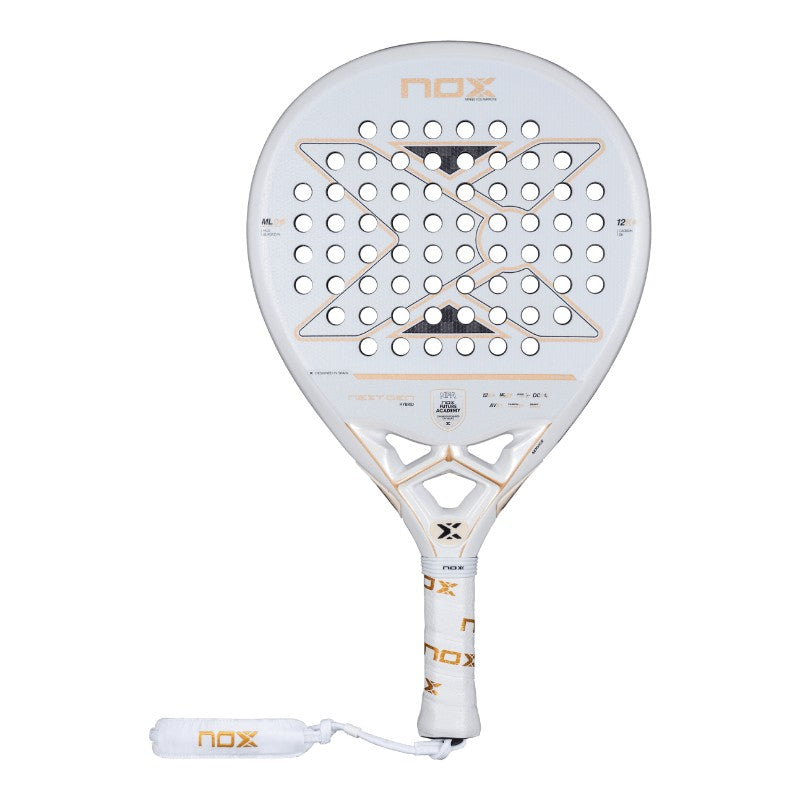
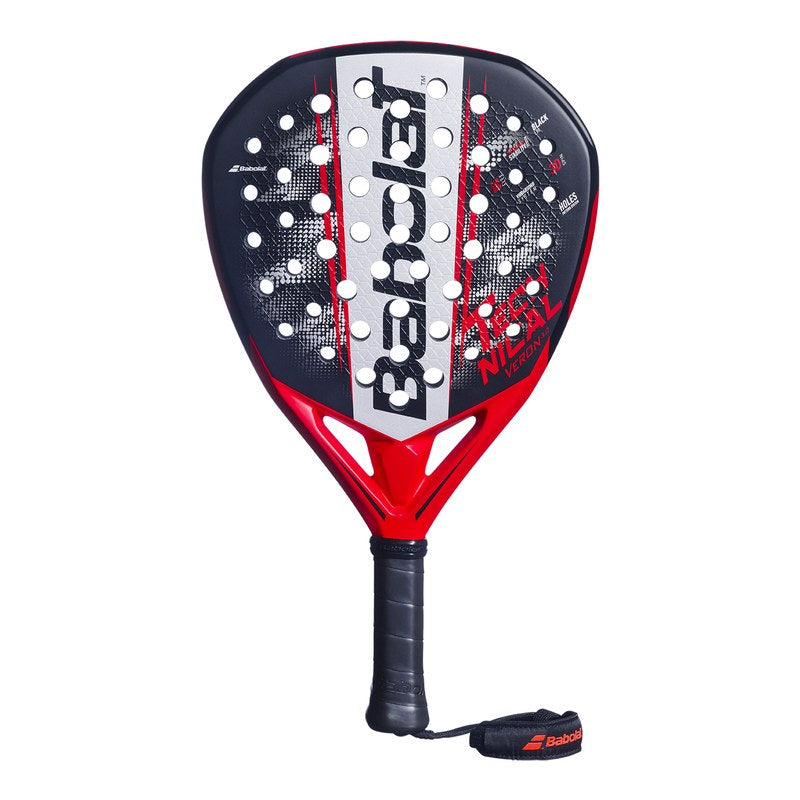
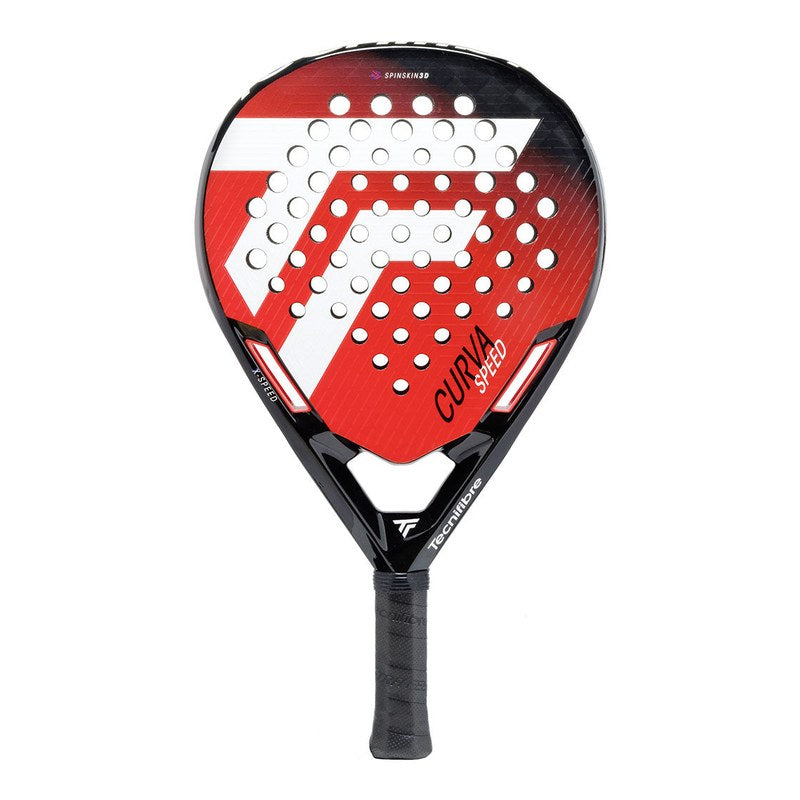
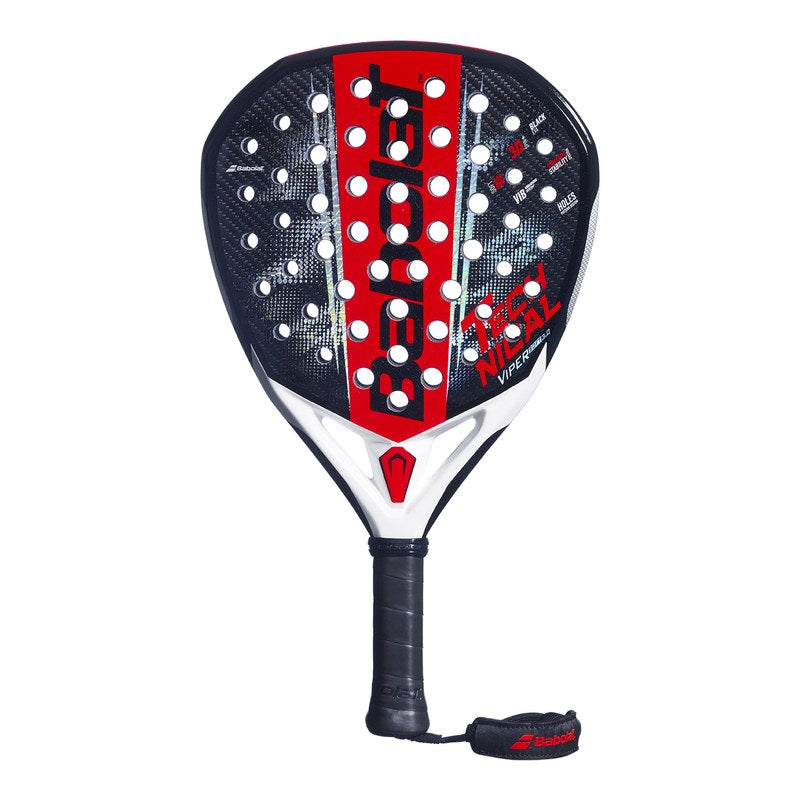
$450 and up — tour frames
The signature rackets: the exact specification a professional plays, with the materials and the tolerances that go with it. 12K and 18K carbon, aluminised layups, cores that reward a fast swing and punish a slow one.
We will say the unpopular part plainly. These rackets do not make you better. They multiply technique you already have, and at club pace most players hit the ball no harder with a $560 frame than with a $300 one, while giving up sweet spot and arm comfort for the privilege. Buy here because you have the technique and you want the feel, not because you think you are buying improvement.
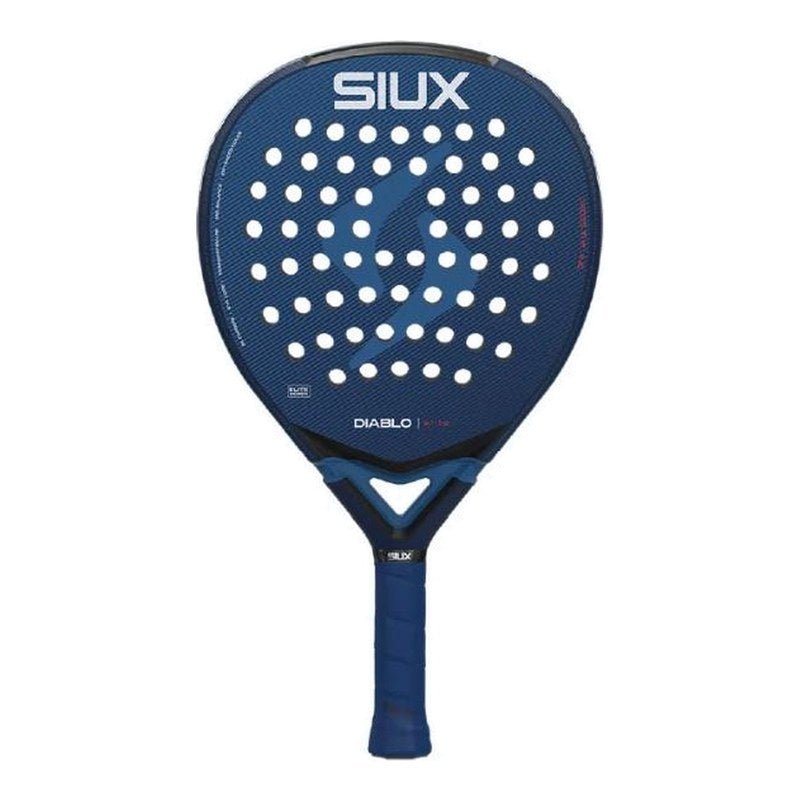
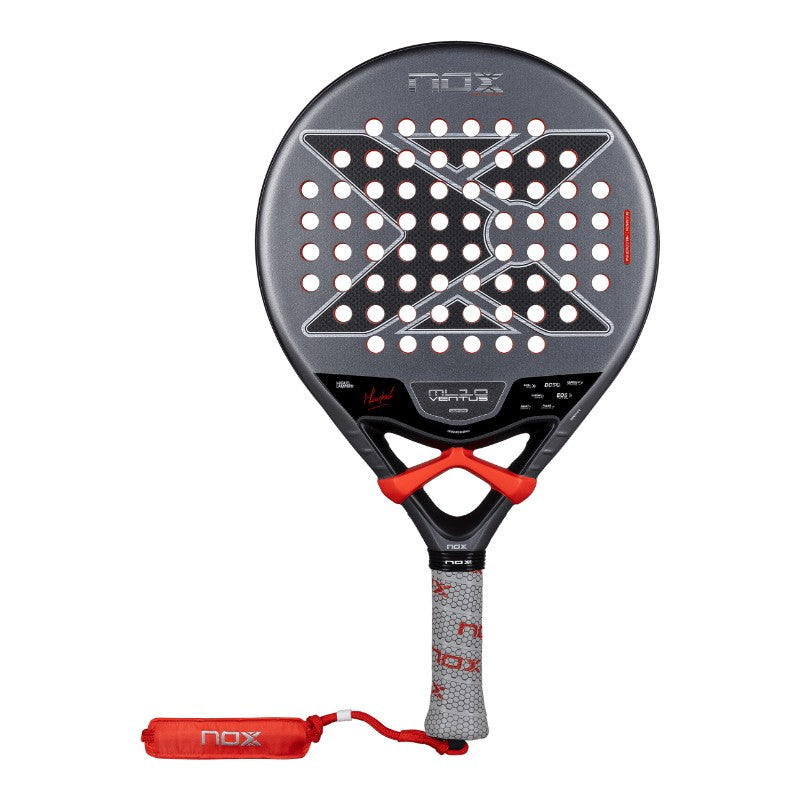
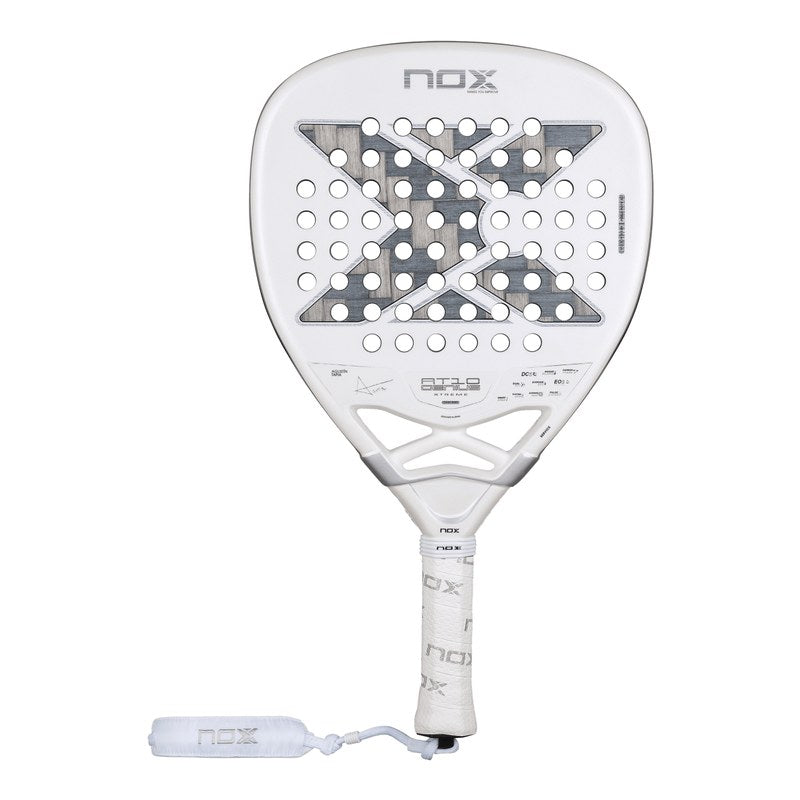
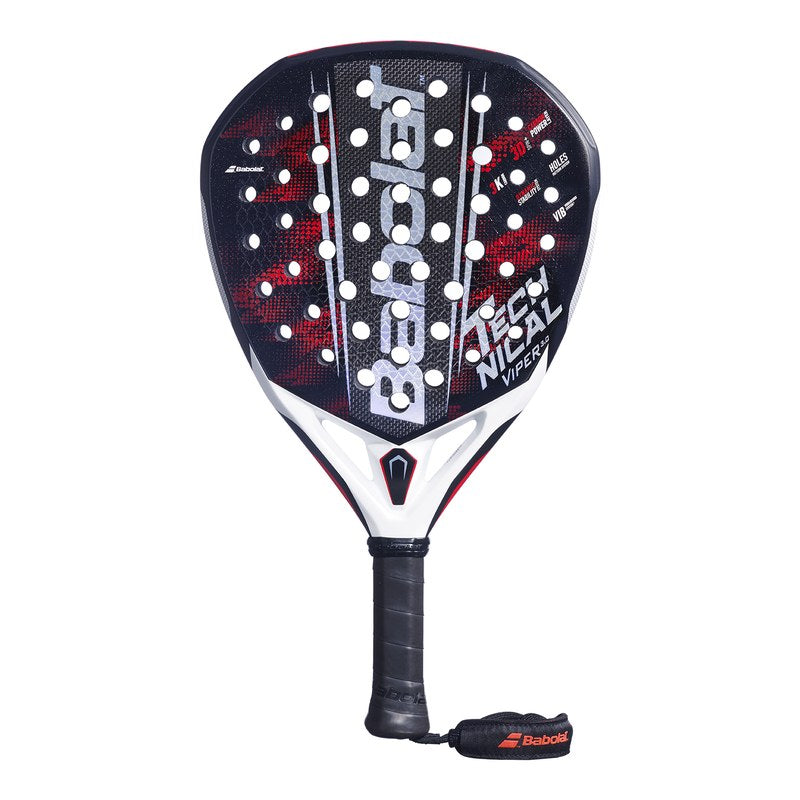
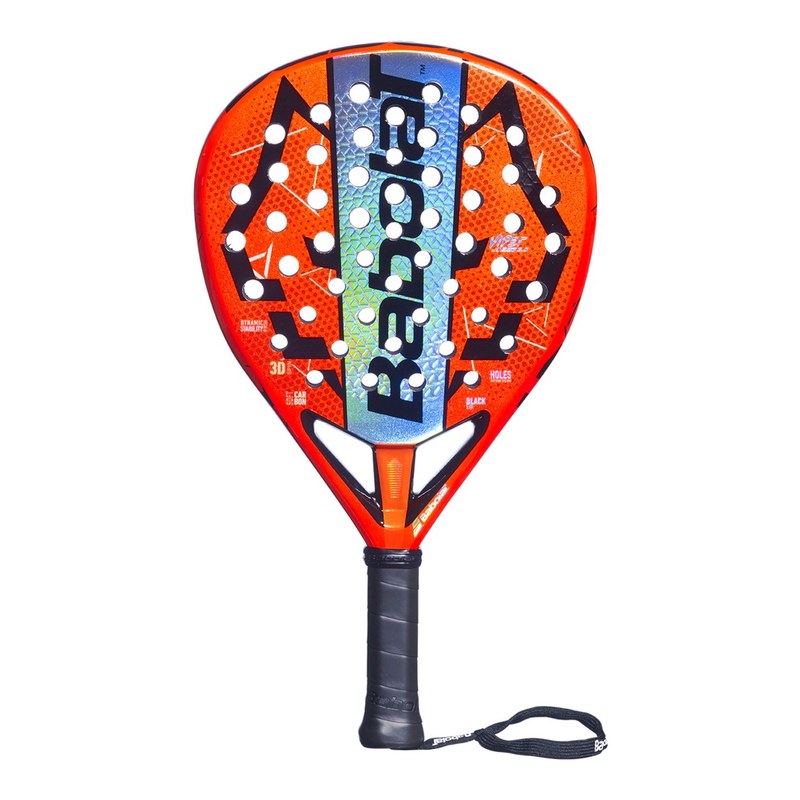
See all 32 rackets, sorted by price →
Why are padel rackets so expensive?
Four honest reasons, none of which is a conspiracy.
They are consumables sold at durable-goods prices. The EVA core fatigues with every hit. A racket played four times a week is finished in three to five months. Nobody advertises that, and it is the single most useful thing to know about the category — we wrote a whole guide on how long a padel racket lasts.
The materials are genuinely expensive. Carbon fibre cloth, moulded EVA and hand layup do not scale the way an injection-moulded product does.
Australia is a long way away and a small market. Freight, GST and low volumes all land on the sticker. A frame that is €300 in Spain is not going to be $300 here.
The RRPs are set high on purpose. This is the one worth being annoyed about. Inflated recommended prices exist so that retailers can run a permanent “40% off” and have it feel like a bargain. We price against the market every day and show you the RRP beside our price so you can see the gap for yourself — and we do not run fake sales to manufacture one.
What everything else costs
The consumables are where the ongoing cost of padel actually sits, and they are cheap.
| Item | Typical price | How often you replace it |
|---|---|---|
| Balls (can of 3) | $10–$13 | Every 3–4 sessions for club play |
| Overgrips (3-pack) | $13–$19 | One grip every few weeks |
| Frame protector | About $14 | Once per racket, fitted on day one |
| Wristbands (2-pack) | $15–$19 | Rarely |
| Hesacore base grip | About $39–$41 | Once a year or longer |
| Backpack or racket bag | $95–$225 | Once |
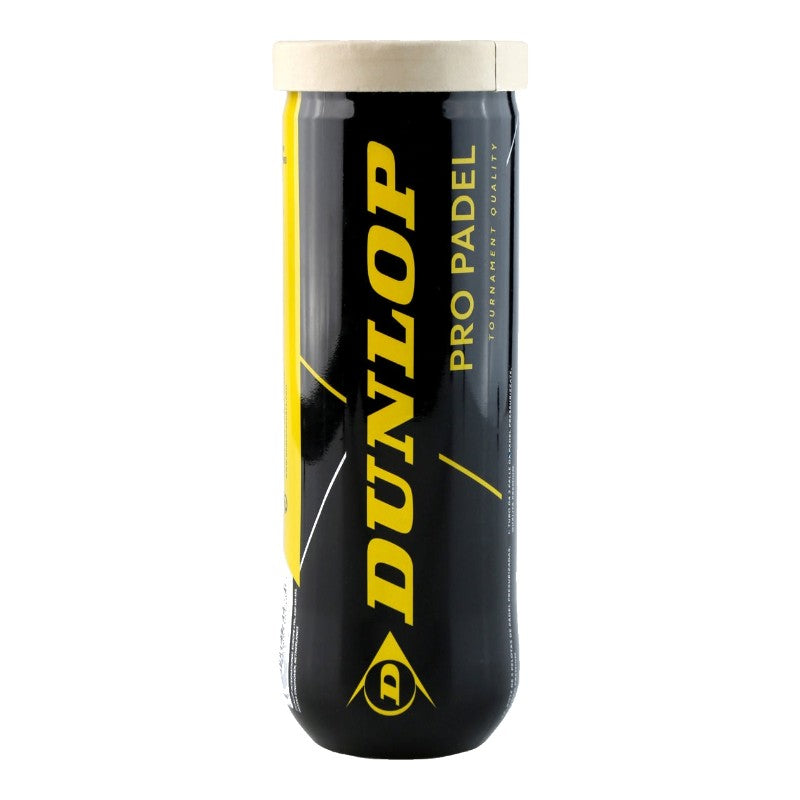

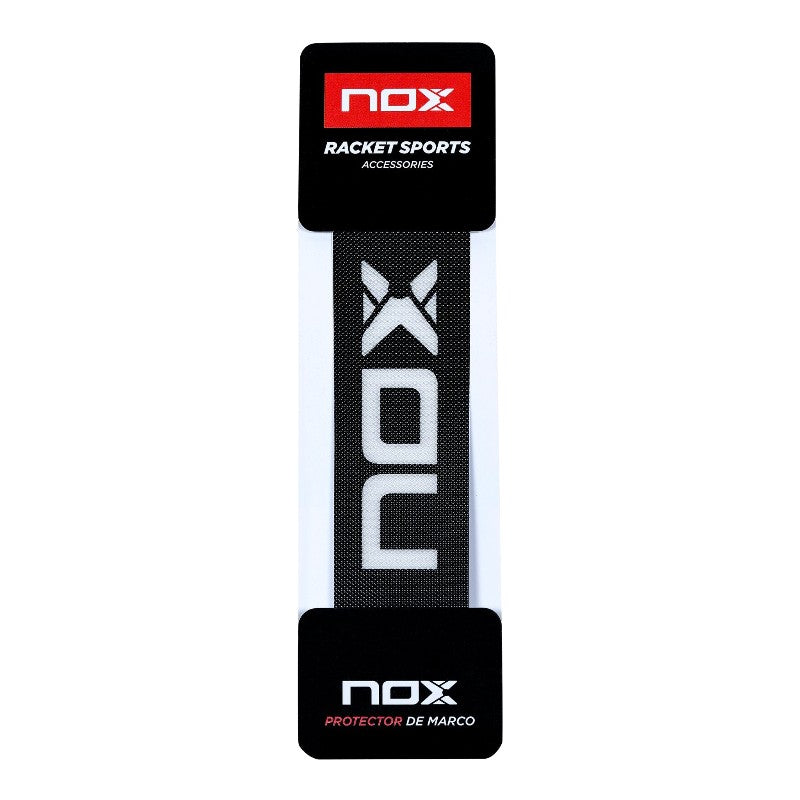
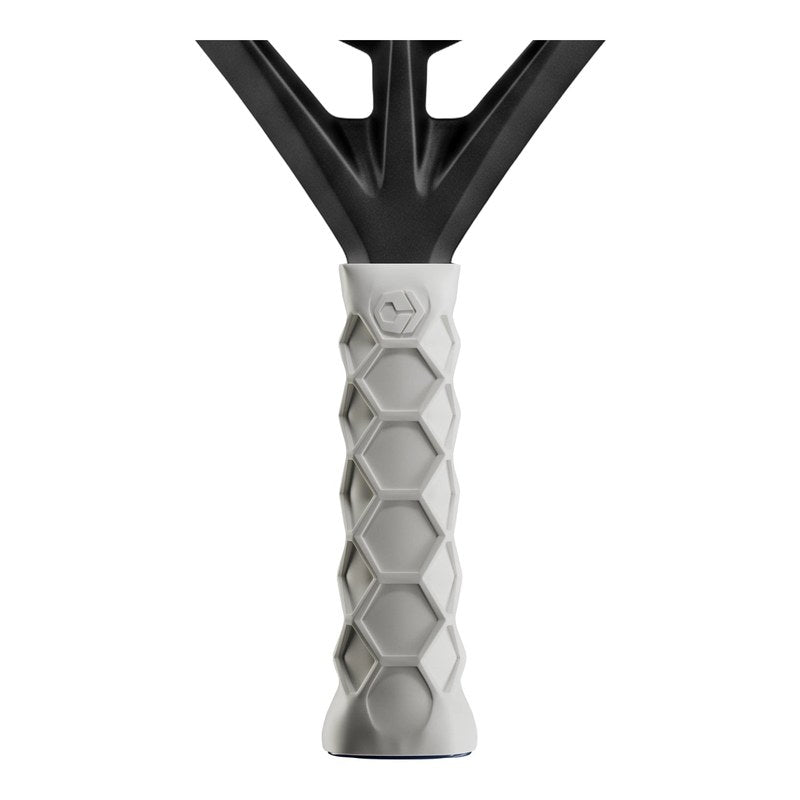
Add it up and a regular player spends roughly $15–$25 a month on consumables. Against court hire, that is rounding error.
So what should you actually spend?
Spend at the level you play at, not the level you picture yourself playing at. In order of how much difference it makes to your results: coaching, then court time, then the racket. A $150 frame and three lessons beats a $560 frame every time, and it is cheaper.
When you are ready to pick a specific racket rather than a price, the how to choose a padel racket guide walks through shape, weight, balance and core, and the racket finder does it in about a minute.
Let the finder work to your budget
Set a price ceiling and we will score every racket under it against your level and playing style.
Written by the Australian Padel Shop team and last reviewed on 12 September 2026. Prices in the cards on this page are pulled live from our catalogue; price bands quoted in the text were accurate on the review date. We track competitor pricing daily and publish the manufacturer's RRP beside our own price on every product.