
Almost everyone who takes up padel in Australia arrives from tennis. Your hand-eye and your volleys carry over. Your serve, your grip pressure and your instinct to hit hard mostly do not. Here is what actually changes, and what you need to buy.
The one-paragraph version
Padel is played in a glass and mesh cage roughly a third the size of a tennis court, always in doubles. The racket is a solid perforated bat with no strings. The ball looks like a tennis ball but is pressurised lower, so it bounces lower and slower. The serve is underarm, off a bounce, below waist height. The walls are in play — the ball can come off the glass and you keep rallying. Points last a long time, and they usually end because somebody made a mistake, not because somebody hit a winner.
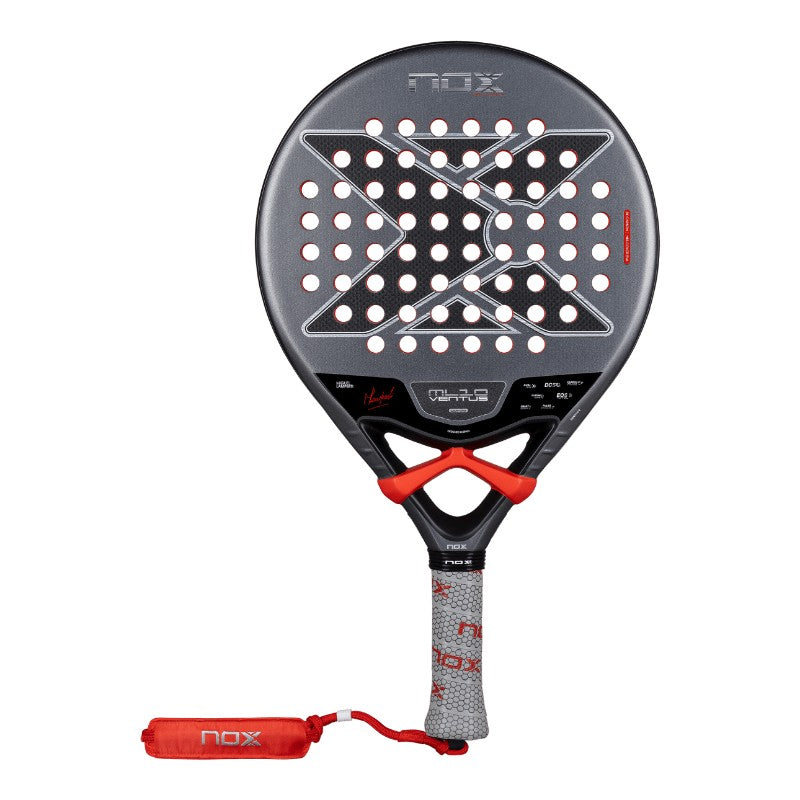
Padel racket vs tennis racket
This is the biggest single difference and it changes more than people expect.
| Tennis racquet | Padel racket | |
|---|---|---|
| Hitting surface | Strung bed | Solid perforated face over an EVA foam core |
| Length | About 68.5cm | Maximum 45.5cm |
| Weight | Roughly 280–340g strung | Roughly 340–380g |
| Where the power comes from | String bed trampoline and swing length | Core firmness and timing — there is no trampoline |
| Lifespan | Years | Months to a couple of years — the foam fatigues |
Two consequences you will feel in the first ten minutes. The racket is shorter and heavier than it looks, so your timing arrives late until you shorten your swing. And because there is no string bed to absorb impact, the frame transmits more shock to your arm — which is why core firmness matters far more than any spec on a tennis racquet.
No, a tennis racquet is not legal or usable on a padel court, and a padel racket is useless on a tennis court. They are not interchangeable in either direction.
Padel balls vs tennis balls
They look almost identical and they are not the same. A padel ball is pressurised a little lower — around 10–11 psi against a tennis ball's 14 — and is a fraction smaller. The result is a lower, slower bounce, which is exactly what keeps rallies playable inside an enclosed court.
Play with tennis balls on a padel court and everything flies long and rebounds off the glass too hot. If a venue offers you tennis balls, decline politely. Padel balls are cheap and they are the whole basis of how the game plays.
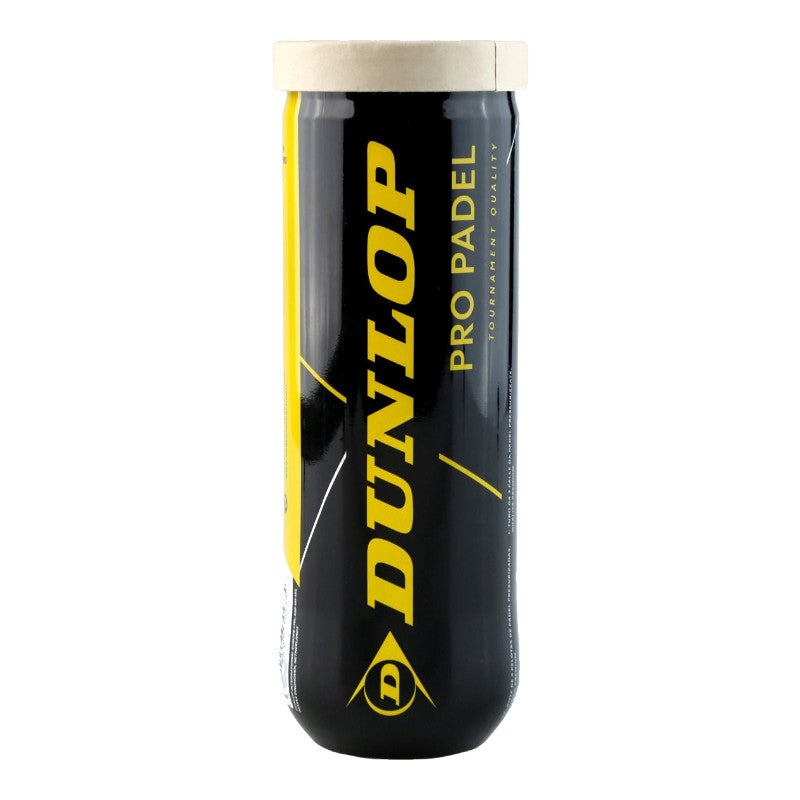
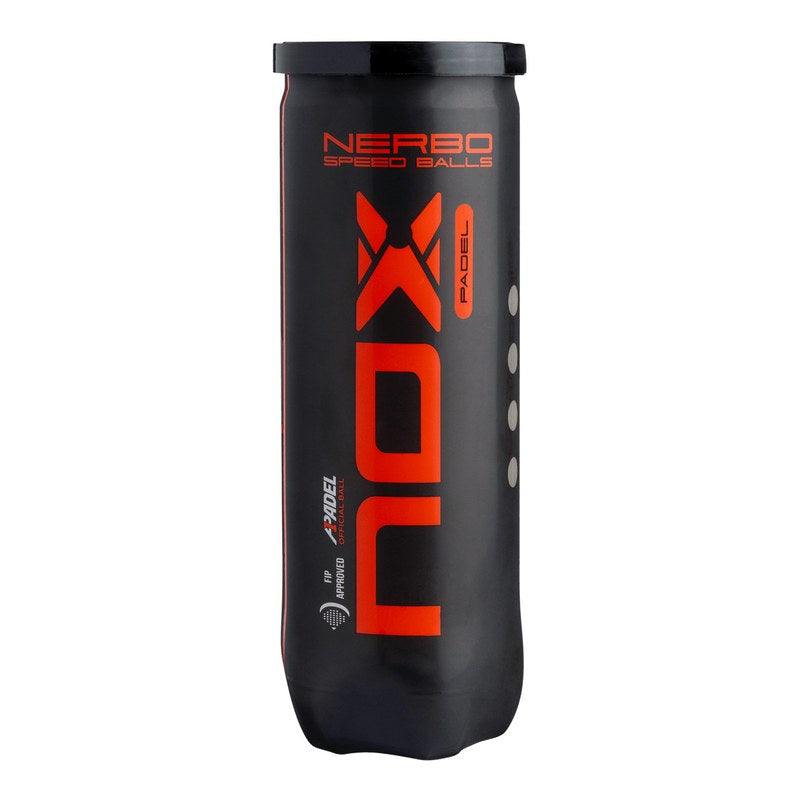

More on how fast they die in padel balls explained.
What carries over from tennis
More than you would think. Hand-eye coordination, court movement, reading an opponent, and volleys above all — a tennis player's volley is usually the best shot they bring to padel, because padel is largely a net game. Doubles positioning transfers almost completely. Tennis players also tend to arrive with a genuinely useful advantage: they already know how to play a long point without losing patience.
What you have to unlearn
The full swing. A long tennis backswing does not fit. Padel rewards a short, compact action with the racket face doing the work.
Hitting hard. In tennis, pace is pressure. In padel, pace off the back glass just hands your opponent a comfortable ball. The lob is the most valuable shot in the sport and the hardest one for a tennis player to take seriously.
Letting the ball go past you. The walls are your friend. A ball heading for the back glass is not lost — wait, let it rebound, and play it off the wall. Every tennis player's first instinct is to chase it, and every tennis player has to kill that instinct.
The serve. Underarm, one bounce, contact below the waist. Your kick serve is worth nothing here. The serve is a way to start the point, not to win it.
Grip pressure. Tennis players squeeze. With no strings to dampen impact, a tight grip sends every bit of shock into your forearm, which is how tennis players who move to padel end up with sore elbows. Loosen the hand.
Your first padel racket, coming from tennis
Resist the diamond-shaped attacking frames, however much they look like the aggressive racquet you play with. Your swing speed is real but your timing in a new sport is not, and a diamond punishes exactly that. Start round or teardrop, medium weight, softer core — you will hit through the ball harder than a true beginner anyway, and a forgiving frame lets you find out where the middle is.
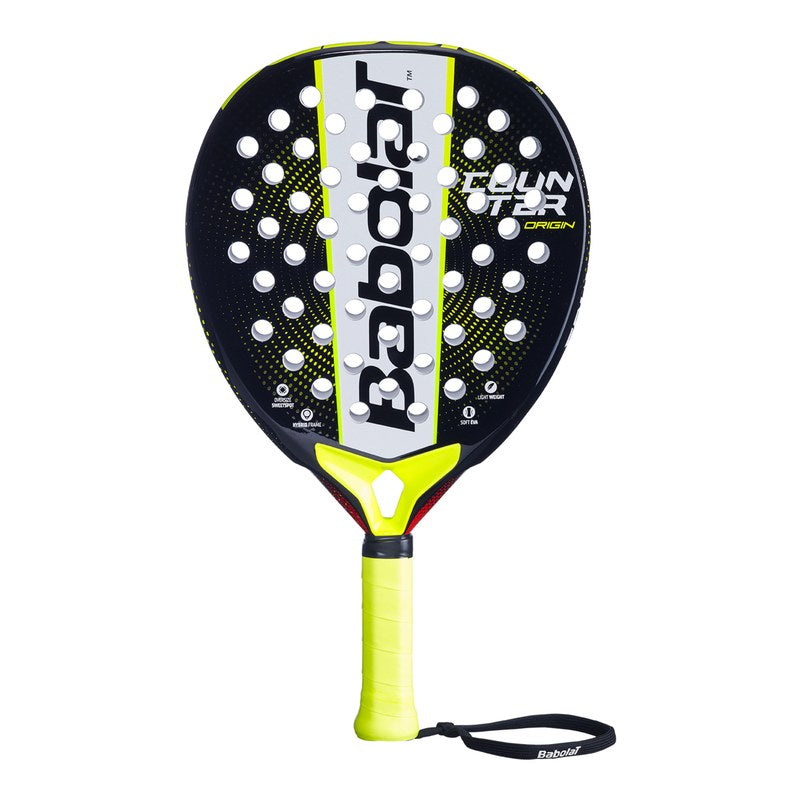
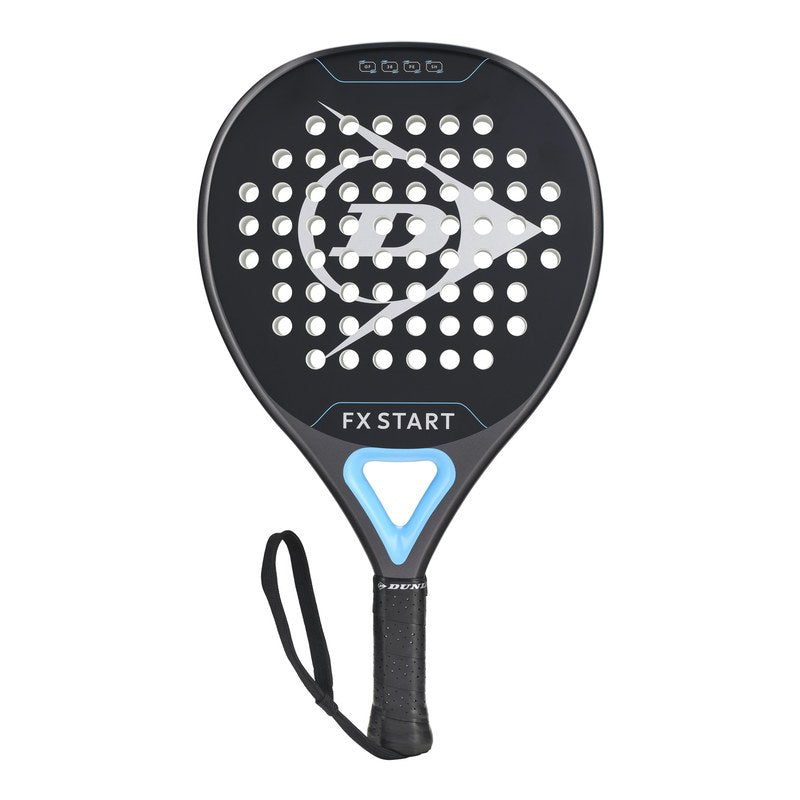


Add an overgrip and a frame protector and you are done. Budget-wise, what a padel racket costs in Australia sets out the bands; how to choose a padel racket covers shape, weight, balance and core properly.
If your elbow already complains in tennis
Take it seriously before you start, not after. The absent string bed means more shock reaches your arm, and a firm-cored head-heavy frame is the worst possible combination for a tender elbow. Soft core, round head, low balance, loose grip — and consider a moulded base grip you do not have to squeeze to hold.


Where to play
South East Queensland has gone from almost no courts to a genuine circuit inside a year. If you are on the Gold Coast, our Gold Coast padel page lists the venues that are open and the ones opening shortly.
Coming from tennis? Let the finder account for it.
Five questions, scored against every racket we stock — including how hard you already swing.
Written by the Australian Padel Shop team and last reviewed on 12 September 2026. Prices on this page are pulled live from our catalogue. Ball pressure and racket dimension figures are from the published equipment specifications of the International Padel Federation and the manufacturers we range.