
Short answer: for your first game, almost nothing. Borrow a racket from the club, wear court shoes, turn up.
The longer answer is that padel has a small kit list, most of it cheap, and a sensible order to buy it in. This guide covers what to bring on day one, what to buy once you know you're hooked, and the things you can safely ignore for a long time.
Day one: what to actually bring
Padel courts are booked as a whole court for four players, usually for 60 or 90 minutes, and nearly every Australian club hires rackets. So for a first session you need:
- Court shoes — the one thing genuinely worth getting right immediately (see below)
- Water — padel is more physical than it looks; rallies run 9–18 seconds and heart rates sit around 130–160 bpm
- A hired racket — ask when you book
- Three other people — padel is doubles. No group? Look for an Americano or social night, where partners rotate and you're matched with whoever turns up
Do not buy a racket before your first session. You don't yet know whether you prefer control or power, and you'll make a better choice after a few hits. We'd rather you borrowed one and came back later.
Shoes: the only day-one purchase we'd push
Most Australian padel courts are artificial grass with sand infill. The right sole for that is herringbone — a zigzag tread that grips the sand and lets you slide slightly rather than catching. Omni soles (small circular studs) suit hard courts and indoor surfaces. Hybrids split the difference.
Please don't play in running shoes. This is the most common beginner injury risk in the sport:
- Running shoes are designed for straight-line, heel-to-toe motion. Padel is almost entirely lateral, with hard stops and direction changes.
- They give you no lateral support — a rolled ankle waiting to happen.
- The tread doesn't clear sand or grip artificial turf.
- The soft midsole folds under sideways load.
- Many venues ban marking soles indoors.
Tennis or court shoes you already own will do fine to start. We don't stock footwear — so this is genuinely just advice, not a sales pitch. Any padel or clay-court tennis shoe from a sports retailer works.
After session three: your first racket
Once you know you're coming back, this is the purchase that matters. Three things decide whether a racket suits you, and brand isn't one of them:
1. Shape
- Round — sweet spot low and central, most forgiving, most control. Start here.
- Teardrop / hybrid — balanced compromise, slightly more power.
- Diamond — sweet spot high in the head, most power, least forgiving. Not a beginner shape, whatever the marketing says.
2. Weight and balance
Most rackets sit between 355 and 375 g. Lighter and more evenly balanced is easier to manoeuvre and easier on the arm; head-heavy gives more power and more strain. This is the single biggest factor in whether you develop elbow trouble, so err light.
3. Core hardness
A softer EVA core holds the ball longer, absorbs more vibration and is kinder to the arm. A hard core is crisper and more powerful but transmits more shock and demands cleaner technique. Beginners want soft.
These are the frames we'd put a new player on — forgiving shapes, sensible weights, no pro-level stiffness:
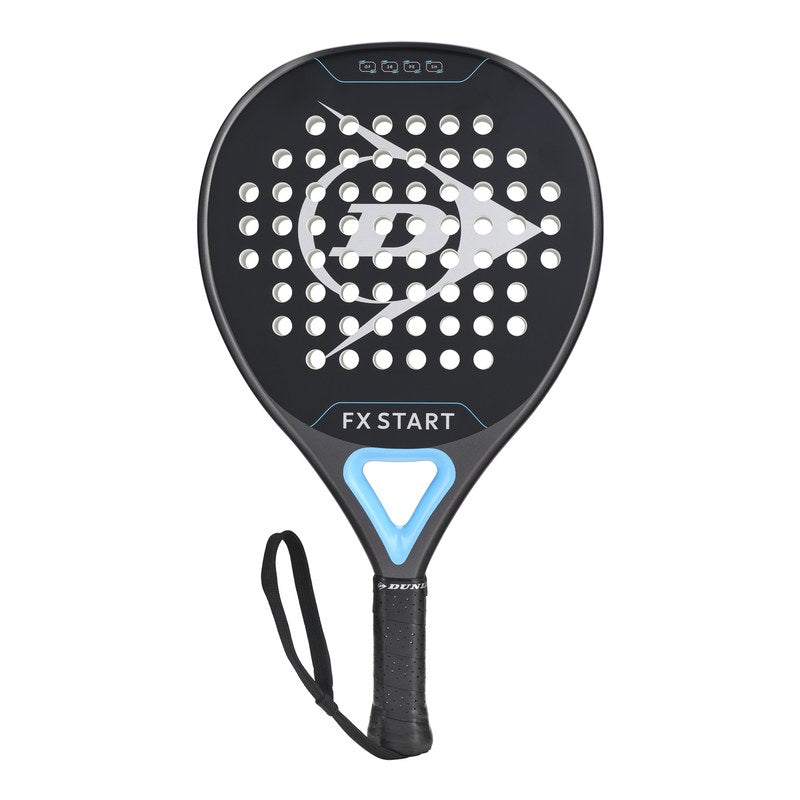
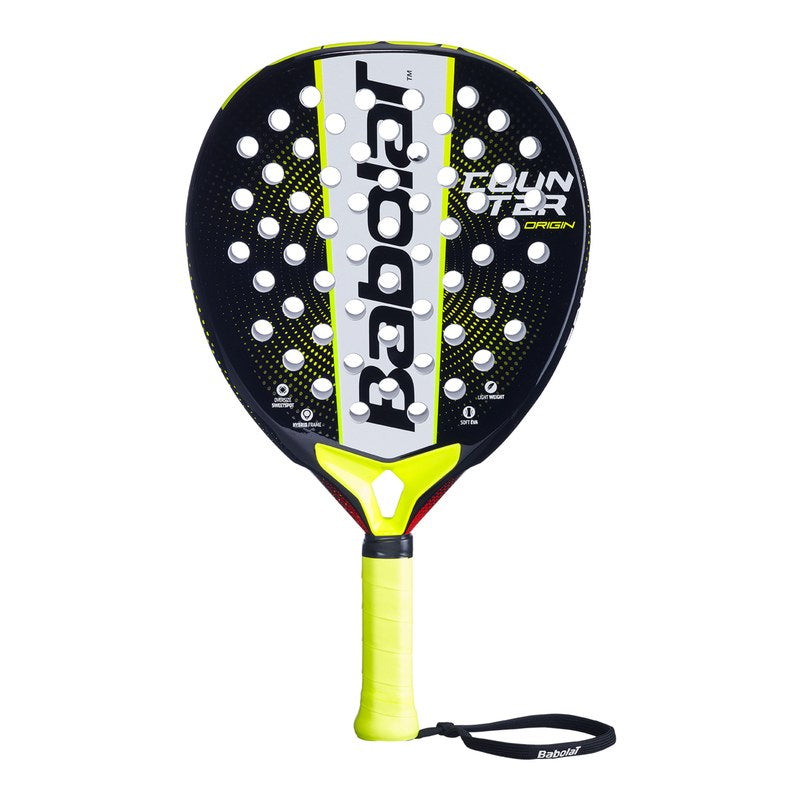

Deeper dives: Round vs Teardrop vs Diamond, Weight and Balance Explained, and Best Beginner Padel Rackets.
One myth worth killing early: the carbon number on the box (3K, 12K, 18K) does not mean stiffer or better. It describes how the carbon fibre is woven, not how it plays. NOX's own 2026 range proves it — their 18K model is the softer, more forgiving one and the 12K is the drier, harder-hitting one. Ignore the number; judge the shape, weight and core.
Balls
Padel balls look like tennis balls but are slightly smaller and run at lower pressure — around 10–11 psi against a tennis ball's ~14. Tennis balls bounce too high and play wrong off the glass.
Every ball we stock bar one is FIP-approved (adidas publish no approval for the Speed RX), and at beginner level the differences are marginal. Buy on price.
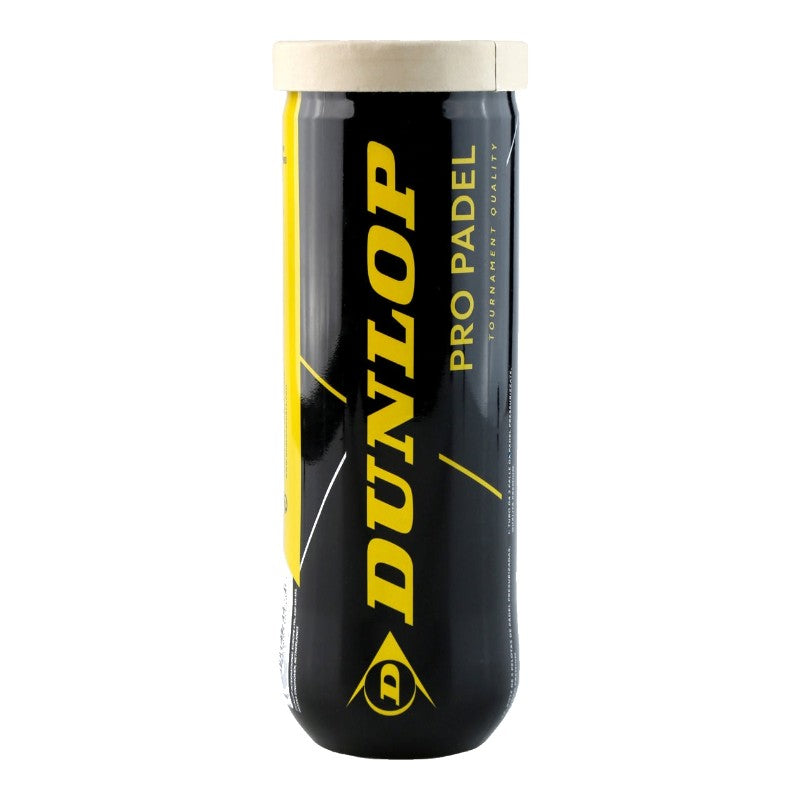
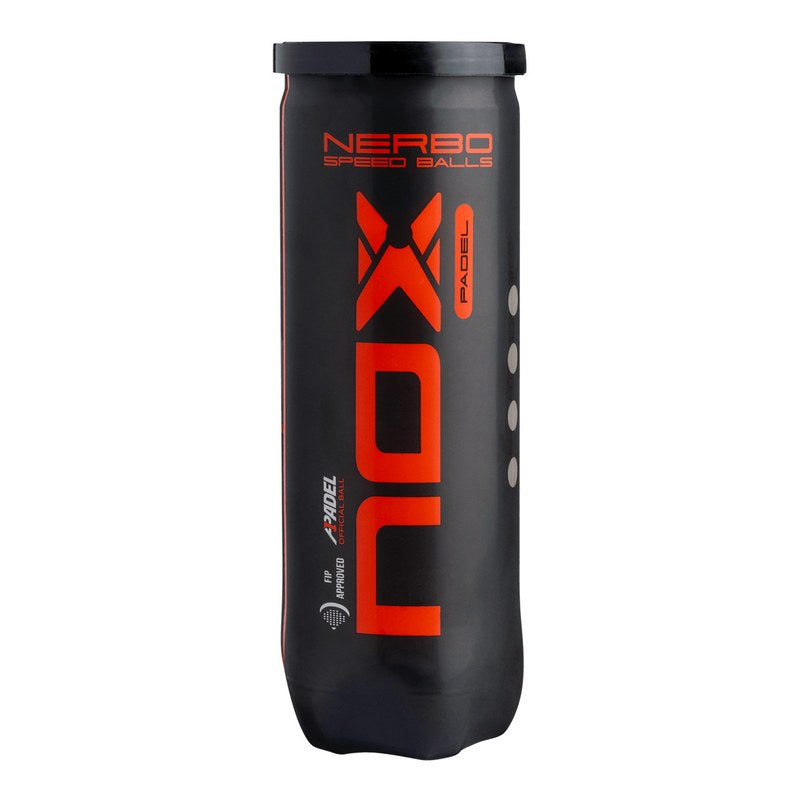

Realistic expectations: pressure starts dropping the moment you crack the seal. A competitive pair gets two or three sessions from a can; a casual weekly player gets about a month. Store them out of a hot car. More in Padel Balls Explained and Best Padel Balls in Australia.
The $15 upgrades worth making immediately
An overgrip
The most under-bought item in padel. The grip on a new racket is thin and gets slippery within a few humid sessions — and a slipping racket makes you squeeze harder, which is exactly how elbow and forearm problems start. An overgrip costs a few dollars and takes two minutes to fit.
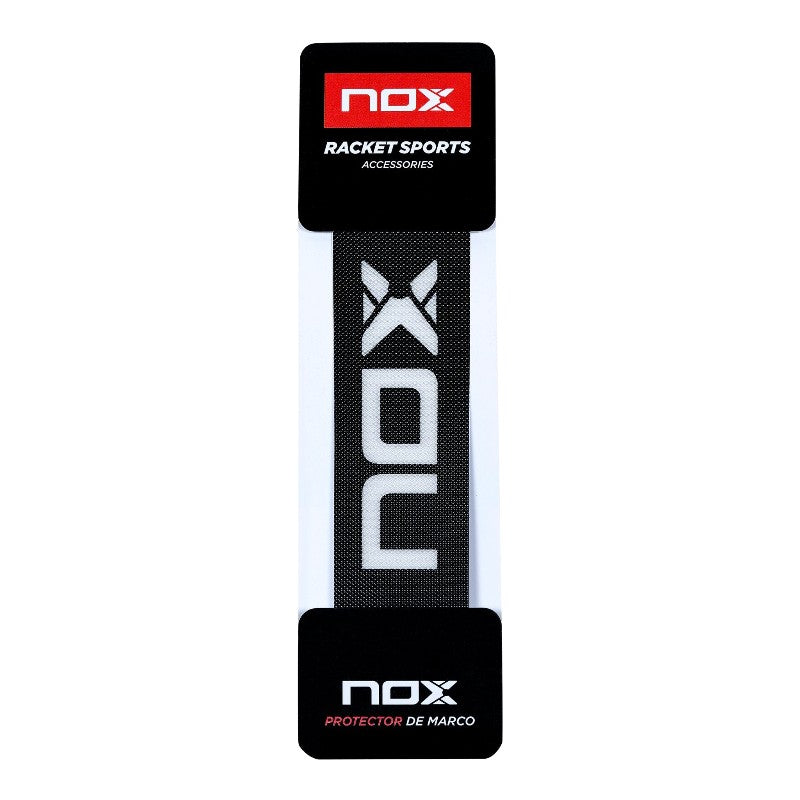
A frame protector
Your racket will meet the glass and the floor. A protector strip is the difference between a scuffed frame and a cracked one, and it costs less than a can of balls.
Wristbands
Sounds trivial until you play an outdoor summer session in Queensland. Sweat running down your forearm onto the grip is a leading cause of the racket moving in your hand mid-swing.



A bag — eventually
Not urgent, but the moment you own a racket you care about, a padded compartment stops it getting chipped by everything else in your gym bag. A backpack is plenty for one racket, shoes and a towel.

What you can ignore for now
- A second racket. Tour players carry spares. You do not.
- Specialist moulded grips (like Hesacore). Excellent products, but solve a problem you probably don't have yet. Revisit if you develop hand or forearm soreness.
- Vibration dampeners. Padel rackets have no strings — they don't apply.
- Anything a pro uses. The most common expensive mistake in padel is buying a world number one's racket at beginner level. It's stiffer and less forgiving, and it will slow your progress down.
The realistic total
| Item | Ballpark | When |
|---|---|---|
| Court hire (split 4 ways) | ~$15–20 each | Every session |
| Court shoes | $80–180 | Day one |
| Racket | $140–250 | After a few sessions |
| Balls | ~$10–14 a can | Ongoing |
| Overgrip + protector | ~$27 | With the racket |
| Bag | $95–125 | Whenever |
So around $180–300 to be properly set up, and court hire after that. Cheap by racket-sport standards — and the ongoing cost is genuinely just balls and court time.
Before your first game
Read How to Play Padel — Rules, Scoring and Etiquette. Two rules will save you the most embarrassment: you must let the serve bounce (no volleying returns), and your shot has to bounce on their floor before it hits their glass.
Coming from tennis? Padel vs Tennis covers what transfers and what you'll need to unlearn.
Need a court? Our Australian court directory lists open and upcoming venues by state, or start with the Gold Coast, Brisbane or the Sunshine Coast.
We're online-only from Broadbeach — orders before 1pm AEST ship the same business day, with free click-and-collect at Pacific Fair if you're on the Coast.