
A pressurised padel ball plays properly for roughly two to four hours of competitive play, or about a month of casual social play. Pressure escapes through the rubber whether you use them or not, so an unopened can does have a shelf life.
The short answer
Padel balls are pressurised. From the moment the can is opened, air escapes through the rubber wall, and the ball gets progressively slower and lower. Roughly:
- Competitive or tournament play — a fresh can per match, or every two to three hours.
- Regular club play — a can lasts three or four sessions before it noticeably drops off.
- Casual social play — about a month, though you'll be playing with a slower ball than you realise by the end of it.
How to tell they're finished
Balls die gradually, which is why people play with dead ones for weeks without noticing. Three checks:
- The bounce test. Drop a ball from shoulder height onto a hard surface next to a new one. If the old ball bounces noticeably lower, it has lost pressure.
- The felt. Smooth, shiny or bald patches mean less bite on the racket face and less predictable spin.
- The feel. Dead balls feel soft and sound dull off the racket. If the game suddenly feels like hard work and nothing is going through the court, check the balls before you blame yourself.
Padel balls vs tennis balls
They look identical and they are not. A padel ball is pressurised slightly lower (roughly 10–11 psi against a tennis ball's 14) and is a fraction smaller, so it bounces lower and slower — which is what keeps the ball in an enclosed court playable. Tennis balls on a padel court fly long and rebound off the glass too hot. If a club offers you tennis balls, decline politely.
Unopened cans age too
Slowly, but they do. A pressurised can holds the balls at pressure to slow the loss, and it works well — but it is not perfect, and cans that have sat for a couple of years will not play like fresh stock.
If you buy a 24-can box, that is a genuine saving and the right call for a club or a coach. For an individual playing weekly, a box is more balls than you'll get through before the last of them start to fade. Buy cans.
The balls we stock
Three cans of three, all tour-grade pressurised balls, and all under $13 a can at today's price. Prices and stock below are live.
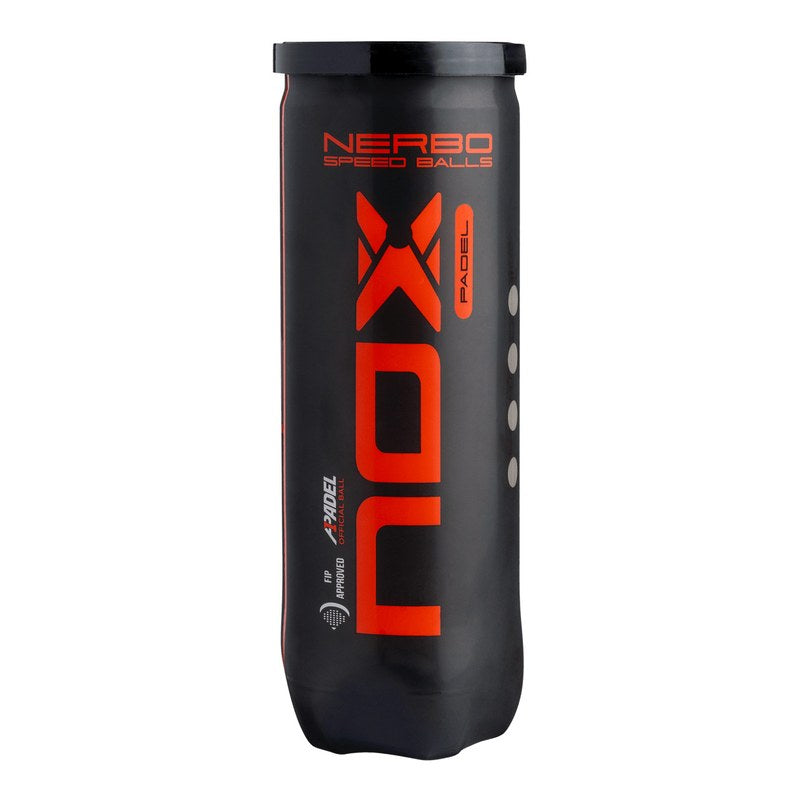
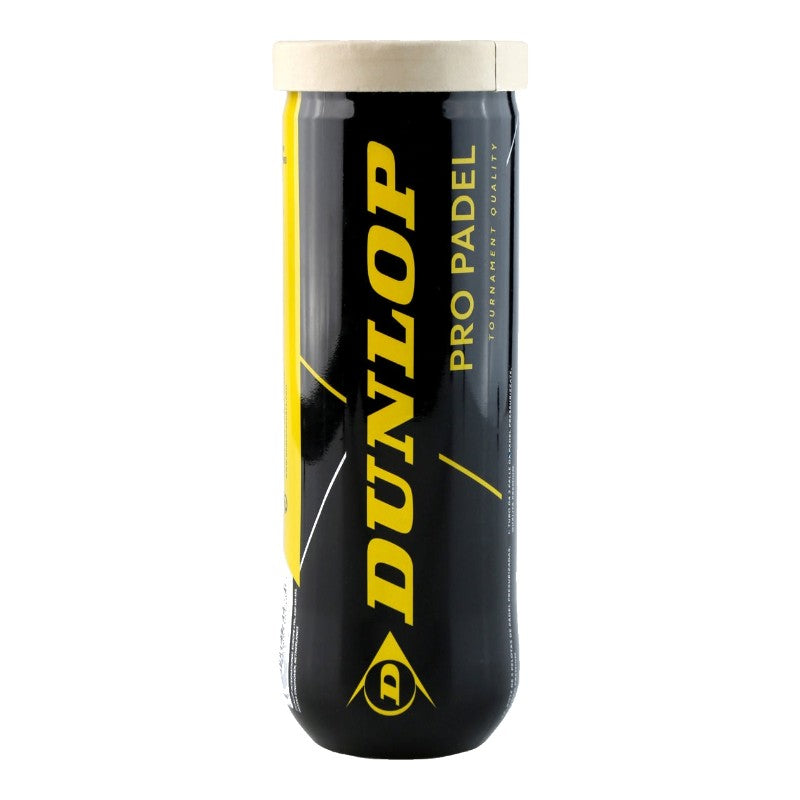

All padel balls — cans and club boxes →
Storage
Heat is the enemy. A can left in a car boot through an Australian summer will age faster than one kept indoors, because heat increases the pressure differential and pushes air out through the rubber quicker.
Keep them somewhere cool and out of direct sun. Don't store loose balls squashed at the bottom of a bag — deforming the felt and the core does them no favours.
Are the expensive balls worth it?
Tour-grade balls hold their pressure and their felt longer than club balls, and they are more consistent can to can. Whether that is worth the difference depends entirely on how you play.
If you're playing socially, club balls are fine and the money is better spent on a fresh can more often. If you're competing, the consistency is worth paying for — a ball that plays the same in the third set as the first is a genuine advantage.
One thing worth knowing: tour approval is a real signal. A ball that is the official ball of a professional circuit has been through a specification and consistency process that a generic ball has not. We note which tour each ball we stock is approved for on its product page.
Shop padel balls
Tour-official and club balls in single cans and 24-can boxes.
Written by the Australian Padel Shop team and last reviewed on 12 September 2026. Prices on this page are pulled live from our catalogue. We publish the manufacturer's specification for every product and record where and when we checked it. Where we haven't tested something ourselves, we say so.