
Padel is one of the easiest racket sports to start and one of the most confusing to read about. The scoring is borrowed from tennis, the serve is nothing like tennis, and the walls change everything.
This is the plain-English version: enough to walk on court for the first time, play a real game, and not be the person who has to ask after every point. It's written against the International Padel Federation rules that took effect on 1 January 2026, and it flags the bits that changed.
The court in 20 seconds
A padel court is 20 m long and 10 m wide, enclosed in glass and metal mesh. The net sits at 0.88 m in the centre, rising to 0.92 m at the posts. There's a service line 6.95 m back from the net on each side, and a centre line dividing each service area in two.
The most important thing to understand: during a rally, the painted lines don't matter. There is no "out" line inside a padel court. The lines exist only to govern the serve. What makes a ball out is the physical enclosure — the ball leaving the court.
Scoring
Straight from tennis: 15, 30, 40, game. Six games wins a set (by a margin of two), and at 6–6 you play a tie-break to 7 points, win by 2, changing ends every 6 points. A match is best of three sets.
The only wrinkle is what happens at 40–40. There are now three legitimate options, and which one you're playing is set by your club or competition, not by the rulebook:
- Advantage — traditional tennis deuce, repeating until someone wins two in a row. Common in social play.
- Golden point — one single deciding point at deuce. The receiving pair chooses which side receives. Long the standard on the pro tour and still widely used at clubs to keep sessions on time.
- Star Point — new for 2026 and now used on the professional tour. You get up to two advantages; if the score returns to deuce a third time, one deciding point settles it. Caps a game at five points after deuce.
Just ask before you start. Nobody will think less of you, and it saves an argument at 40–40.
You change ends after the first, third, and every subsequent odd game.
The serve — where most beginners go wrong
The padel serve is underarm, and it is the single biggest reason the sport is easier to pick up than tennis. There is no ball toss and no overhead action.
How to serve, step by step
- Stand behind the service line, in the quarter diagonally opposite the receiver. From 2026 you need at least one foot behind the line (it used to be both). You must not touch the service line or the centre line.
- Bounce the ball on the ground in your own back quarter. You cannot hit it out of the air.
- Strike it at or below waist height, with at least one foot on the ground.
- Send it diagonally into the service box opposite. It must land inside the lines — lines count as in.
You get two attempts, exactly like tennis. Two faults in a row loses the point.
Also new for 2026: the bounced ball must not cross the service line or the centre line before you strike it. Bouncing it in the right area is no longer enough — the whole path before contact has to stay behind the line.
On "waist height": the rules deliberately don't give a number. It's relative to your body, judged in practice at about belt level. If you see a blog quoting a centimetre figure for padel, it isn't quoting the rules.
The question everyone asks: glass or fence?
Your serve lands in the box and then hits something. What happens depends entirely on what it hits:
- Hits the side glass or back glass after bouncing in the box → good serve, play on. This is normal and good servers aim for it.
- Hits the metal fence before the second bounce → fault.
Glass good, fence bad. That one line covers most serve disputes.
The return, and how the walls work
The receiver must let the serve bounce. You cannot volley a serve — this is the one moment in padel where volleying is banned, and it's the most common instinctive error from tennis players. Neither you nor your partner may take it out of the air.
After that, the walls come into play, and this is the part worth reading twice.
On your side
The ball may bounce once on your floor. After that bounce, it can rebound off your glass — and off the fence — and you can still play it. The wall rebound does not count as a second bounce. You just have to hit it before it touches the floor a second time.
This is the skill that separates padel from tennis: learning to let the ball come off the back glass and take it on the way out, instead of rushing it.
Sending it back
Two legal routes over the net:
- Hit it straight over — the normal way.
- Hit it into your own glass so it loops over the net. This is legal (it's called a contrapared) and it's a genuine last-resort shot when you're stuck in a corner. Rare, because the ball loses so much pace — but legal.
The exception that costs points: you may use your own glass, but if your shot touches your own metal fence, you lose the point immediately.
On their side
Your shot must bounce on their floor first. After it bounces, it can hit their glass or their fence and the rally continues. But if it flies over and strikes their wall or fence before bouncing, you lose the point. Smashing directly into the far glass is the classic new-player mistake.
Volleys, smashes, and hitting it out of the court
Volleying is allowed throughout the rally — the only exception is the return of serve. Smashes are unrestricted.
And here's padel's showpiece: if your smash bounces in their court and then flies out over the fence, that's a legitimate winning shot. Players call these por tres (out over the 3 m section) and por cuatro (over the 4 m section).
On courts built with enough space around them, opponents are allowed to run out the side gate and play the ball back in. It's the most spectacular thing in the sport — but it needs a specific safety zone around the court that most Australian club courts don't have. Check with your venue rather than assuming.
The faults every beginner makes
- Double bounce. The most common by far — usually letting the ball die in a corner instead of waiting for it to come off the glass.
- Volleying the return of serve. Pure tennis instinct. Illegal.
- Smashing into their glass without a bounce. Point to them.
- Hitting your own fence on a scrambling dig. Your own glass would have been fine.
- Touching the net. You, your racket, your clothing — any contact while the ball is live loses the point.
- Getting hit by the ball. If the ball strikes you or your partner, your team loses the point — even if it was sailing out. Duck; don't block.
- Double hit when scooping a ball out of the corner.
- Serving from the wrong side, or out of turn.
Court etiquette — the unwritten rules
None of this is in the rulebook, but all of it will mark you out as someone who's played before.
- Call your own side's lines — you have the better view. If you're not sure, it's in. Since only the service lines exist, this comes up far less than in tennis.
- Stray ball on court? Stop the point. Call a let. Standing on a loose ball is a genuine ankle injury. Return it at a natural break, rolled — don't smash it back.
- Wait for the point to end before walking behind or through a court. Never cross a live court.
- Close the glass door gently and make sure it latches. A swinging door mid-rally is dangerous, and a slam carries to every court around you.
- Warm up cooperatively. Competition allows a 3-minute knock-up; socially, give it about five minutes of feeding to each other rather than hitting winners.
- Call "mine" or "yours". Four people in a 10 m-wide box — racket clashes are the most common padel injury, and they're entirely avoidable.
- When your hour's up, it's up. Finish the point, clear the court, take your balls and bottles with you.
- Spin a racket to decide who serves first. No formal convention socially.
Shoes: the one piece of gear that genuinely matters on day one
Most Australian padel courts are artificial grass with sand infill. The right sole for that is a herringbone (zigzag) pattern — grip and lateral support without tearing up the surface. Omni soles (small studs) suit hard and indoor courts.
Don't play in running shoes. They're built for straight-line, heel-to-toe movement. Padel is almost entirely side-to-side with hard stops, so a running shoe gives you no lateral support (that's an ankle roll waiting to happen), a tread that doesn't clear sand, and a soft midsole that folds under sideways load. Many venues also ban marking soles indoors.
The words you'll hear on court
- Bandeja ("tray") — the signature padel shot. A sliced, shoulder-height overhead played not to win the point but to keep your pair at the net. The first advanced shot worth learning.
- Víbora ("viper") — an aggressive cousin of the bandeja with side spin that bites into the glass.
- Globo / lob — arguably the most important shot in padel, and an attacking one. A good lob over the net pair pushes them back and lets you take the net.
- Chiquita ("little one") — a slow, low ball dropped at the net players' feet to force an awkward volley and buy you time to move up.
- Bajada — attacking the ball hard and downward after it comes off the back glass.
- Salida de pared — "exit from the wall", the fundamental skill of playing a ball off the back glass.
- Americano / Mexicano — social formats where partners rotate and you score individually. Americano rotates everyone through everyone; Mexicano pairs people by the live leaderboard. Both are the best way to play if you don't have a group of four.
The one tactic that wins beginner padel
If you take nothing else from this: get to the net and stay there. The pair at the net wins the overwhelming majority of points. The way to get there is the lob — not power. Lob over them, walk in, hold the net. That's the whole game at club level.
What you need to start
Most clubs hire rackets, so play a few times before you buy. When you're ready, look for something round or hybrid-shaped and forgiving rather than a stiff pro frame:
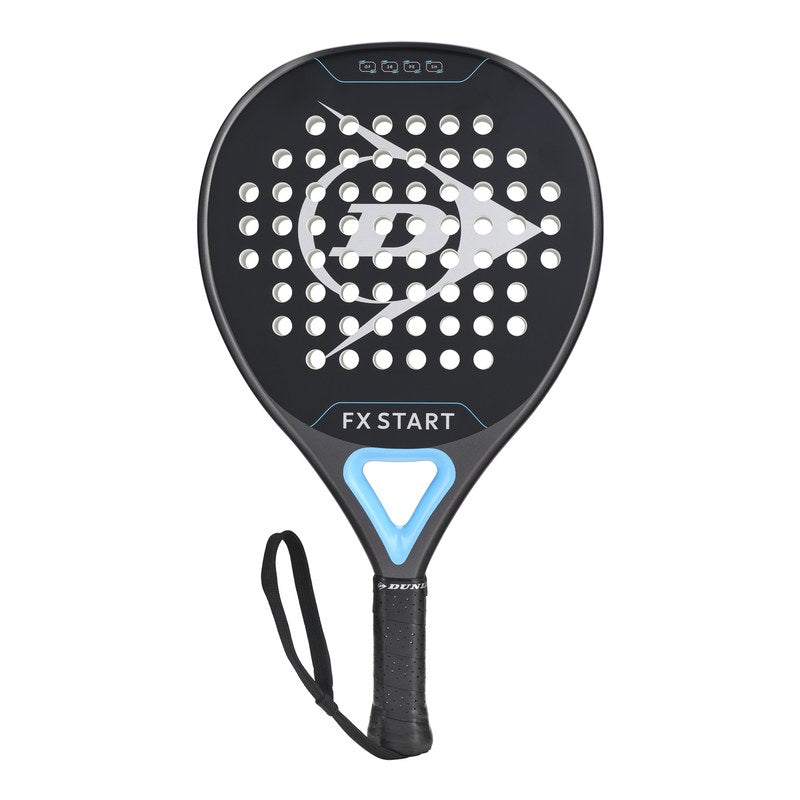
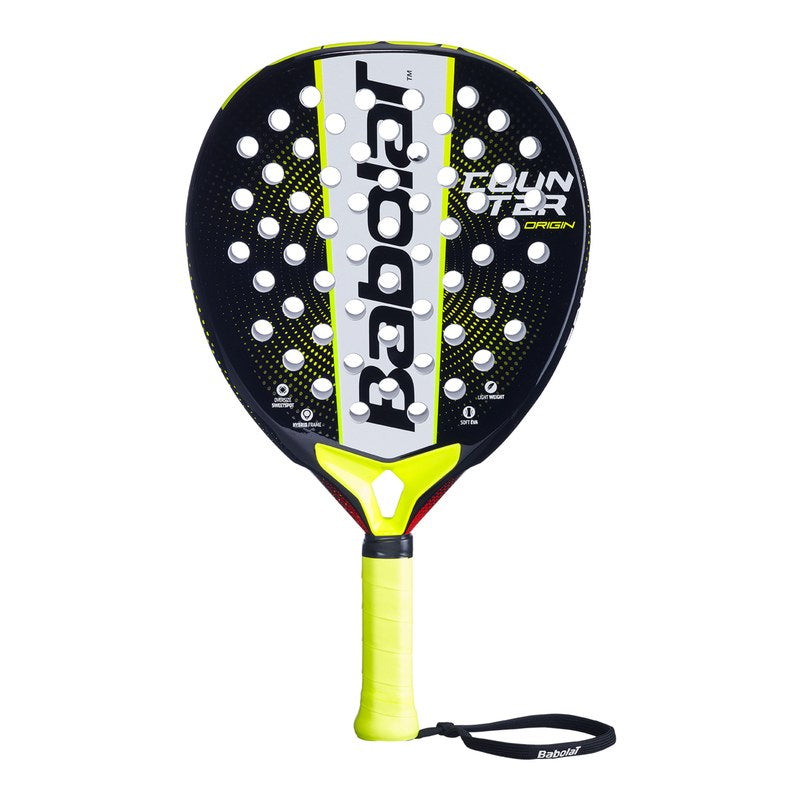

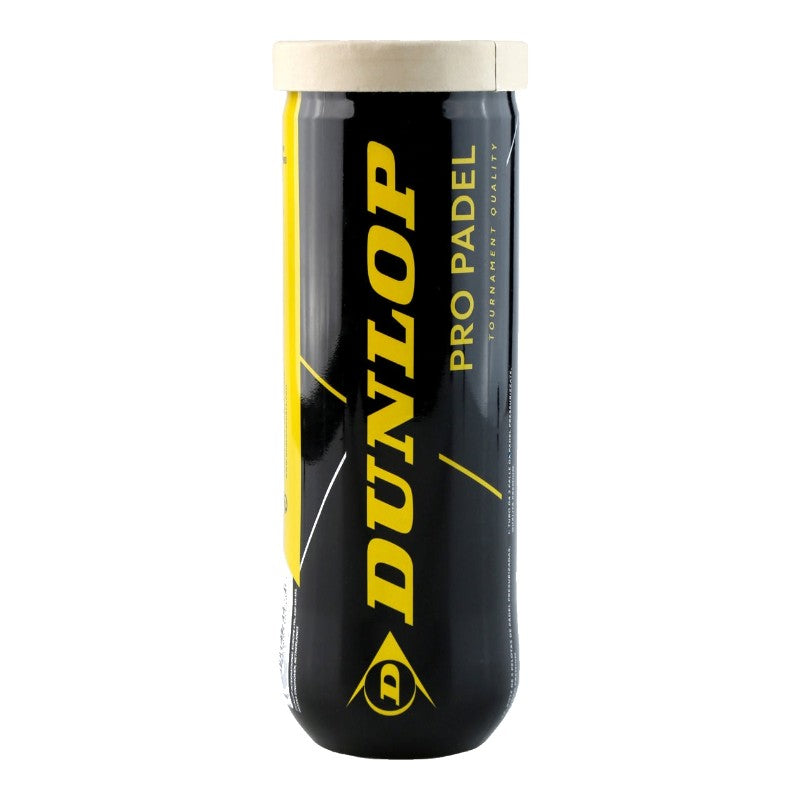
Plus balls and an overgrip — the grip that comes on a new racket is thin and gets slippery fast in Queensland humidity:


Next steps: How to Choose a Padel Racket, Best Beginner Padel Rackets, and if you're coming from tennis, Padel vs Tennis — What Actually Changes.
Looking for a court? Try our Australian court directory or, locally, Padel on the Gold Coast.
Rules in this guide follow the FIP Rules of Padel as applied from 1 January 2026. Scoring format, and whether out-of-court play is available, vary by club and competition — check locally.