
The quickest way to ruin a padel racket in Australia is to leave it in the car. A parked car can run 20–30°C hotter than the air outside, and heat softens the foam core and stresses the bond that holds the racket together. Keep it out of the car and out of the sun, fit a frame protector, stop scooping balls off the court with it, and dry it before it goes back in the bag.
Why heat matters to a padel racket
A padel racket is a foam core, usually EVA, bonded between two faces of carbon or fibreglass and wrapped in a frame. Racket care guides warn that EVA softens at high temperatures, and heat is hard on the bond between the core and the faces. Our guide to when to replace a racket names hot cars as the number one racket killer on the Gold Coast.
No brand publishes a temperature at which a racket fails, so don't go looking for a safe number. The working rule is simple: if you wouldn't sit in it, don't leave your racket in it.
The car is the problem
Queensland's Family and Child Commission, citing Kidsafe, says a parked car can become 20–30°C hotter than the surrounding air and reach 60–70°C, with most of the rise in the first five minutes. RACQ's testing found the inside of a parked car can climb 10 degrees in 10 minutes.
- Take the racket inside with you, even for a quick stop.
- If it has to stay in the car, keep it in its bag, out of direct sun, and make it minutes rather than hours.
- Your balls suffer too. Heat drops their pressure faster than play does, so keep cans out of the car as well; see padel balls explained.
On court: shade between games
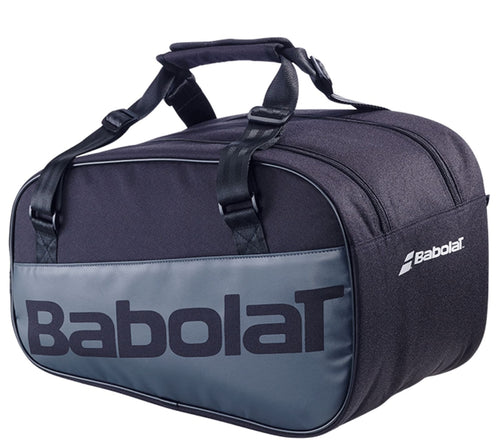
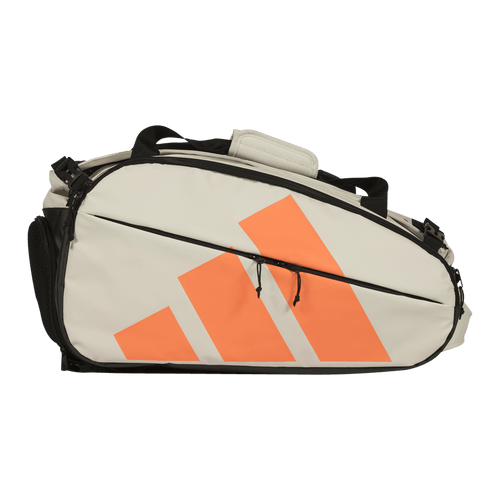
Don't leave the racket on the bench or the turf in full sun between matches, especially on a summer afternoon. Put it in your bag or in the shade. A bag with an insulated compartment helps on long days; the adidas Multigame has two thermal side compartments.
Humidity and sweat
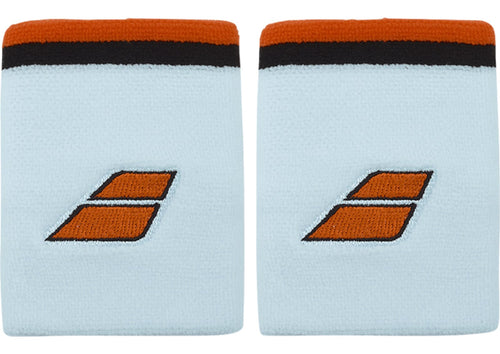
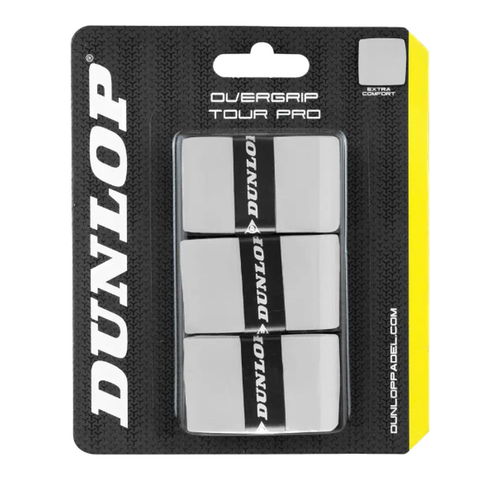
Queensland humidity and sweat are hard on grips. Wipe the handle and frame after a session, let your bag air out rather than zipping a damp racket away overnight, and change the overgrip when it goes slick, which for most players is every four to eight sessions and sooner in summer. A wristband stops sweat running down to the handle in the first place.
Rain and wet balls
Avoid playing with wet balls. They're heavier and harder on the face, and racket care guides advise against playing in damp conditions.
Knocks: the other way rackets crack
Heat weakens a racket slowly; a knock cracks it in a moment. Almost all impact damage lands on the top edge of the head, from the wall, the floor or a partner's racket.
- Fit a frame protector to a clean, dry frame, press out any air pockets, and replace it when it starts to lift.
- Pick balls up by hand, not by scraping them off the turf with the racket.
- Watch the glass on defence. Scooping a ball out of the corner is how a lot of frames meet the wall.
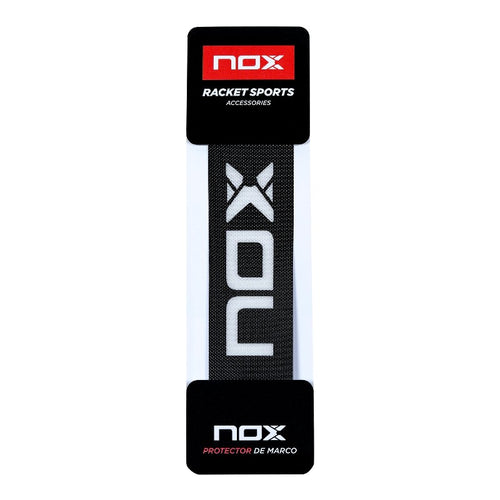
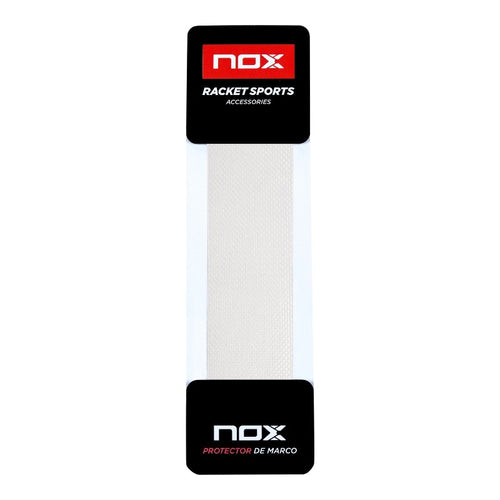
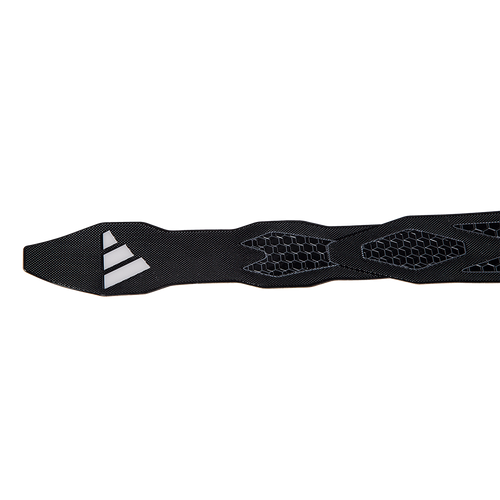
Cracks from impact aren't covered by warranty; our guide to a cracked padel racket explains why.
Storage between sessions
Store the racket in its cover, indoors, dry and out of direct sunlight. In summer, a cupboard in the house beats the garage.
Written by the Australian Padel Shop team and last reviewed on 20 October 2026. Prices on this page are pulled live from our catalogue. Sources: Queensland Family and Child Commission (car temperatures, citing Kidsafe) · RACQ · Padel Gear (racket care).