
We are an online store and we don't hold demo rackets, so this is the honest way to choose a racket you haven't hit: try a few shapes on court first, narrow the field on four specs, check weight and balance at home without using up your return, and send it back unhit within 30 days if it still feels wrong in your hand.
What a demo tells you, and what it doesn't
An hour with a racket tells you the big things. Whether the shape forgives the balls you mishit. Whether the weight tires your forearm by the third set. Whether the core feels harsh on a volley. Those are worth knowing before you spend $250.
It won't tell you the small things, and those are the ones people over-think. A few grams either way, a slightly different handle, a different sound off the face: most players stop noticing those within a couple of sessions on a new racket.
So the goal isn't to hit every racket on your shortlist. It's to find out which kind of racket suits you, then buy a good one of that kind.
Step 1: try shapes on court, not models
Ask your club whether it keeps hire rackets at the desk, and borrow from the people you play with. Try to get a round racket and a teardrop into your hand in the same session; if you are already confident overhead, add a diamond. Ten minutes with each tells you more about shape than any spec sheet.
If you want to try a HEAD or a Wilson, we don't stock either brand. Club pro shops usually do, and that is the right place to hold one. Our Gold Coast courts page and the national courts directory list where to play.
Step 2: narrow it on four specs
Four things decide whether a racket suits you: shape, weight, balance and core firmness. Our guide to choosing a padel racket covers each in plain English. The short version:
- New, or coming back after a break: a round head, a soft core and a weight at or under about 360g.
- Playing twice a week and hitting the middle most of the time: a teardrop with a soft or medium core.
- Strong, reliable overheads and no arm complaints: a diamond is now worth considering, but not before.
- Elbow or wrist niggles, at any level: soft core, round head, low balance.
The racket finder does the same narrowing in a few questions, and it asks about your arm.
Step 3: read what independent testers found
Our racket pages quote independent ratings where they exist, and say plainly when we haven't court-tested a frame ourselves. Read two or three reviews of the exact model and year. Look for agreement on what you care about, whether that's comfort, forgiveness or power, and be wary of any review that says a racket suits everyone.
Step 4: check it at home without using up your return
A change-of-mind return needs the racket unhit, in its original packaging, with the grip wrap and protective film still on. The full terms are on our returns and warranty page. Within those rules you can still learn a lot:
- Weigh it. A kitchen scale is accurate enough. Brands list weights as a range, and individual rackets commonly land 5 to 10g either side of the middle.
- Find the balance point. Rest the racket across a finger or the edge of a ruler until it balances, and measure from the end of the handle. Compare it with the figure on the product page where the brand publishes one; our weight and balance guide explains what the numbers mean.
- Hold it the way you play. Grip it as you would for a volley and a bandeja. If the handle feels thin, that's fixable with an overgrip or a Hesacore; see our guide to grip size and fitting.
- Shadow swing in an empty room. Slow, controlled swings only, well away from walls and ceiling fans. You're feeling where the weight sits, not testing power.
Step 5: if it's wrong, send it back unhit
You have 30 days from delivery to change your mind. Post it back at your cost, or bring it to the Priceline Pharmacy counter at Pacific Fair and return it there for free. We inspect every returned racket, then refund to your original payment method. A racket that has hit a ball can't come back for change of mind, so make the call before it does.
Three mistakes a demo usually catches
Buying the pro's racket. Tour rackets are built for players who hit the centre at speed, every time. Read what the pros actually use before you copy one.
Going diamond too early. A diamond's sweet spot sits higher and smaller. If you still mishit, a round or teardrop racket will win you more points; see round vs teardrop vs diamond.
Buying firm with a sore arm. A hard core with a high balance is the most demanding combination in padel. If your elbow has opinions, read padel and tennis elbow first.
Forgiving rackets to start a shortlist
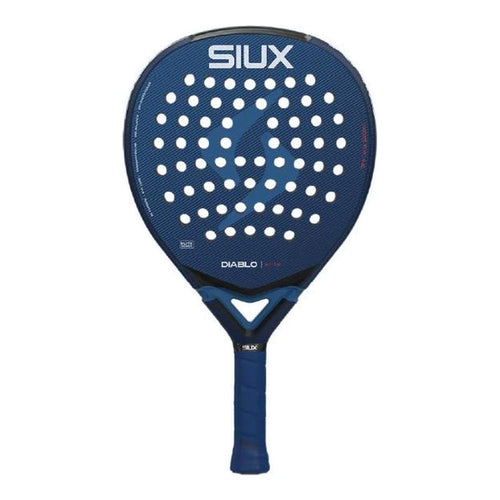
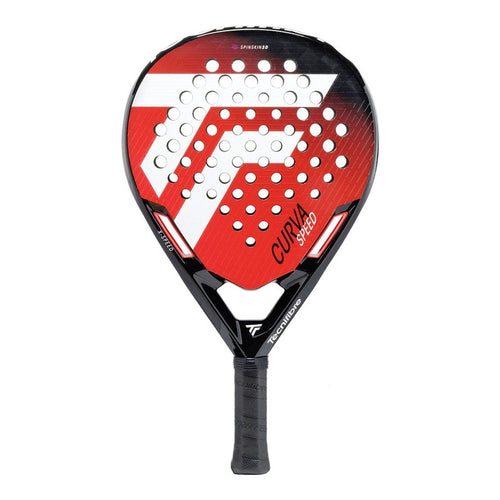
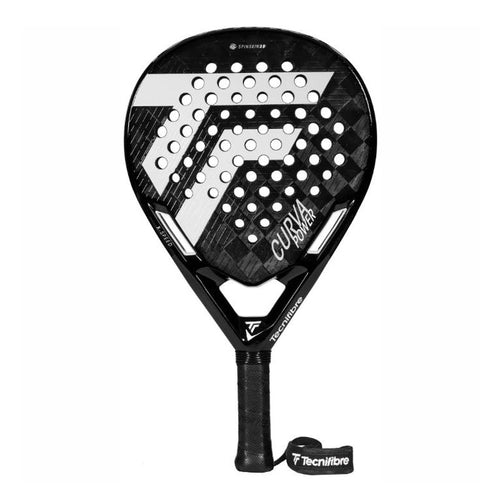
Round, hybrid and gentle teardrop rackets with soft cores, the safest buys when you can't hit them first:
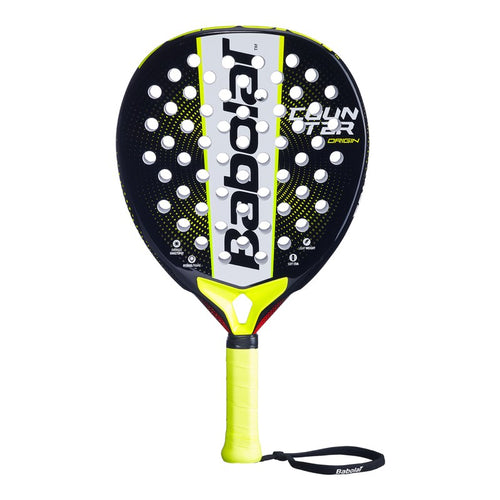
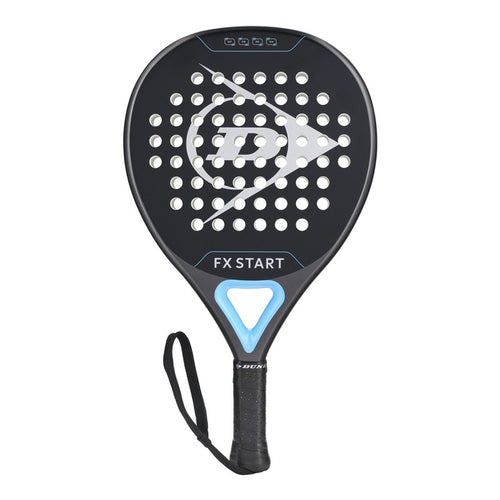
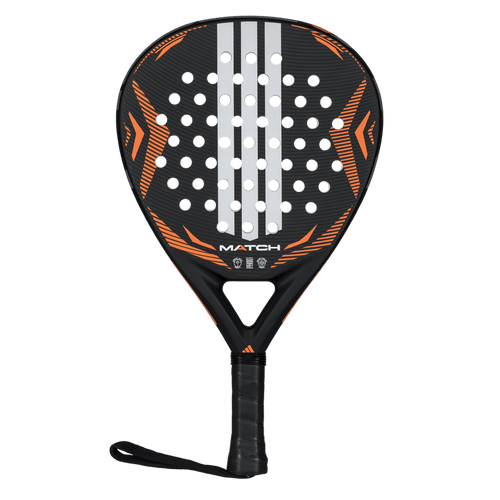
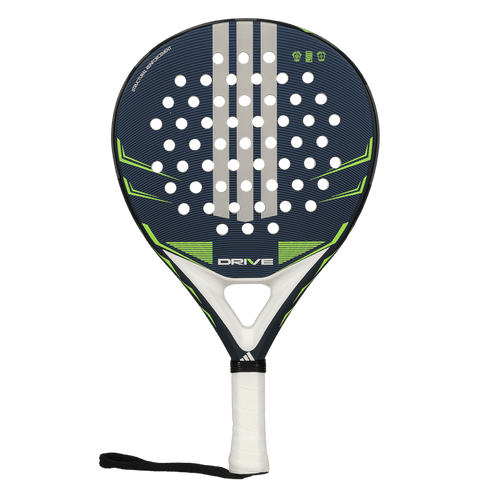
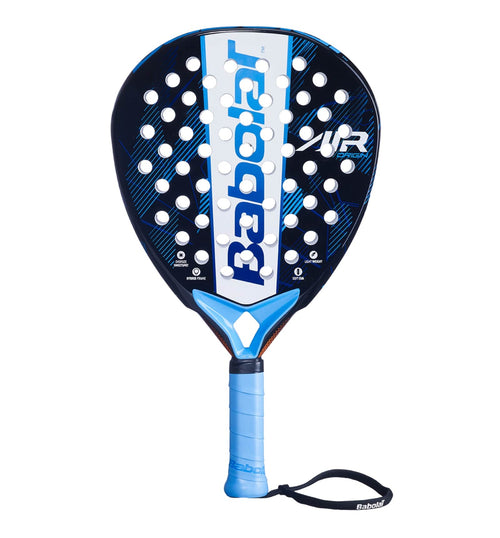
For improvers who want a teardrop without a stiff feel:
Still torn between two?
Email us your level, how often you play, whether you've come from tennis, any arm trouble and your budget. We reply within one business day, Monday to Friday.
Written by the Australian Padel Shop team and last reviewed on 20 October 2026. Prices on this page are pulled live from our catalogue. Return conditions are summarised from our returns and warranty page, which sits on top of, and never limits, your rights under the Australian Consumer Law.