
Australian padel describes level in two ways that rarely get explained together: a number from 1 to 7, and a letter (A, B, C and sometimes D). Clubs that use the 1–7 scale find it simpler because it moves in small steps. Letters are what divisions and tournament draws use. Here is how they line up.
The short answer
C is the entry level for tournament padel, B is a strong, experienced standard, and A or Open is the top. On Padel Australia's 1–7 rating guide, C sits at roughly 2.5 to 3.5, B at roughly 3.5 to 5.0, and Open from about 5.0 up. D is for newer players and is only used on the Australian Club Padel Tour.
The two scales side by side
| Rating | What it looks like on court | Tournament grade | Where to play |
|---|---|---|---|
| 1.0–2.5 | From your first hit to keeping the ball in play at a slow-to-medium pace | D, moving into C | Club socials, in-house leagues, Club Padel Tour D and C |
| 3.0–4.0 | Steady at medium pace, building points at speed, starting to hit winners | C, moving into B | Club Padel Tour and National Series C and B; the Masters Series if you are 35 or over |
| 4.5–5.5 | Plays national tournaments regularly and wins rounds at them | B, moving into Open | National Series B and Open; Masters Series; FIP events |
| 6.0–7.0 | Professional, ranked inside the world's top 1,000 and higher | Open | National Series Open and FIP events |
The rating bands, and the grade each band is matched to, come from Padel Australia's own guide, Matching a competition to your rating. The descriptions are our summary of it, and Padel Australia itself says platforms vary, so treat it as a starting point.
What the letters mean
At a tournament
- Open (sometimes called A). Anyone can enter, and the best players in the country do. At National Series events the prize money goes to the Open draws.
- B. A strong, experienced standard: people who have played for years, build points under pressure and compete regularly. Padel Australia's rules stop the very best from dropping down. Men ranked inside the national top 40, and women inside the top 20, can't enter B. That is a ceiling, not a description of the level, and B is much harder than “outside the top 40” makes it sound.
- C. The entry level for tournament play, and the right first event for most club players. Men inside the national top 100 and women inside the top 80 can't enter.
- D. Only on the Australian Club Padel Tour, for newer players, with the same ranking caps as C.
B and C draws at National Series events pay no prize money, and they earn far fewer ranking points. A National 1000 win is worth 1,000 points in the Open draw and 120 in B.
At your club
Clubs set their own letters, and a club's B night is not the same thing as a B tournament draw. Padel Gold Coast grades its club nights C, B, B+, A and High A. Padel Point at Bankstown splits its seasonal competitions into A, B and C divisions. Tribe in Melbourne runs Category C, B and A socials and pitches its Category B (Intermediate) sessions at around Playtomic level 2 to 4. If you are moving from club grades into tournaments, expect a tournament draw to play a notch harder than the same letter at your club.
The Playtomic number is a different scale
If you book through Playtomic, the app gives you its own level from 0 to 7, worked out from match results and adjusted after every competitive game. Playtomic treats roughly 0 to 5.5 as the amateur range and 6 to 7 as professional. It looks like Padel Australia's rating but it is not the same scale, so don't assume a Playtomic 3.0 is a Padel Australia 3.0. It is most useful inside the app, for joining open matches at your level.
Why clubs like the 1–7 scale
Because it is simpler. Three letters can't separate a player who has just discovered the back glass from one who is a season away from a B draw. A number in half-point steps can, and a club can set an open match or a league division at “2.5 to 3.5” and fill it with people who will enjoy playing each other. Letters still matter when you enter a tournament, because that is what the entry form asks for.
Rating vs ranking
A rating describes how you play. A ranking is your position on one of Padel Australia's eight national lists, earned from results: your best six tournament results over a rolling twelve months. Rankings decide who is barred from B and C, and who gets into the APT Finals. Club americanos earn you practice, not points. How rankings, licences and the tour work →
How to find your level
- Ask for a levelling session. Several clubs run them. At Tribe in Melbourne a coach watches you play and sets your Playtomic level, which puts you in the right category for its socials and leagues.
- Play your club's socials at two levels. The level where rallies feel even, and you win about half your games, is your level.
- Enter one C event. You need a Padel Australia player licence, but no ranking. Two matches will tell you whether you belong there.
Rackets by level
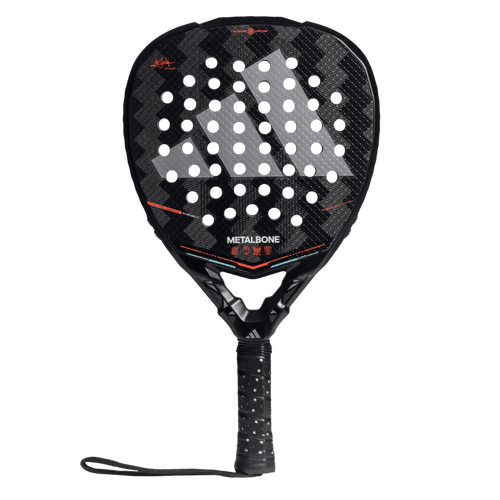
Level matters more than brand. Prices and stock below are live from our shelf.
Starting out, around 1.0 to 3.0. A round or hybrid head and a soft core: the sweet spot is big and forgiving, and your arm will thank you while your technique catches up.
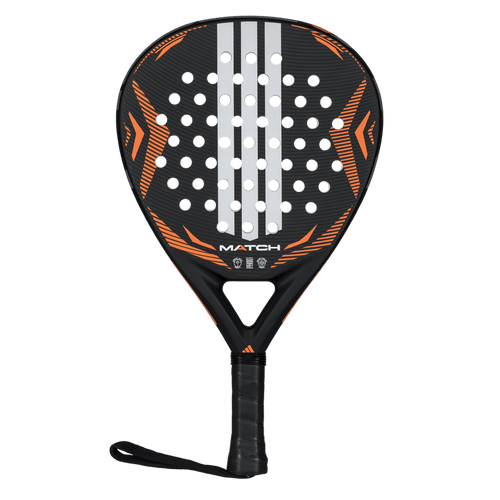
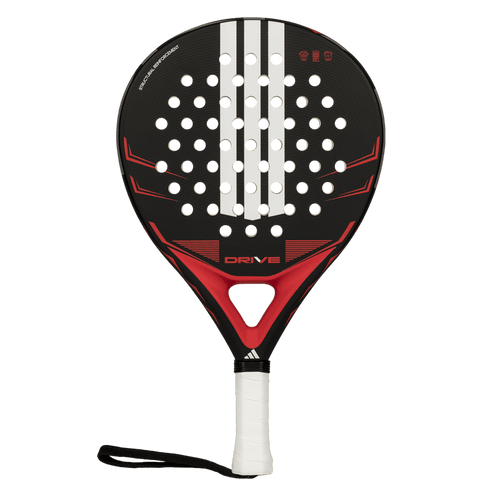
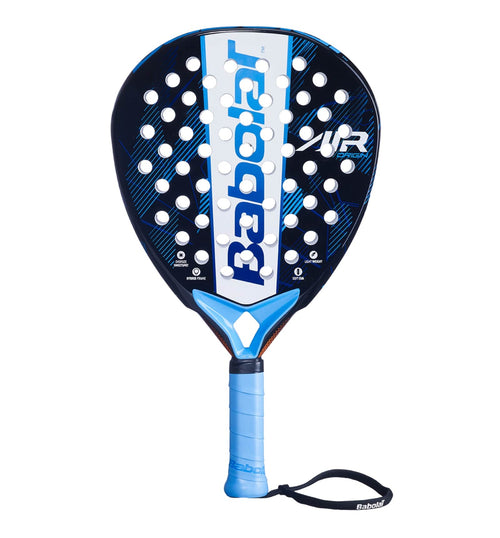
Improving, around 3.0 to 4.5. A teardrop or a softer diamond, with a little more head weight for when you start finishing points overhead.
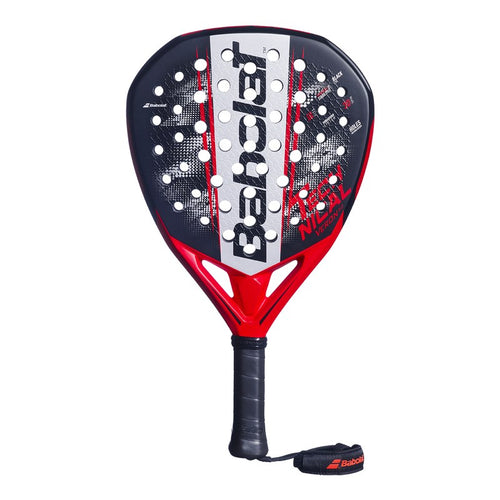
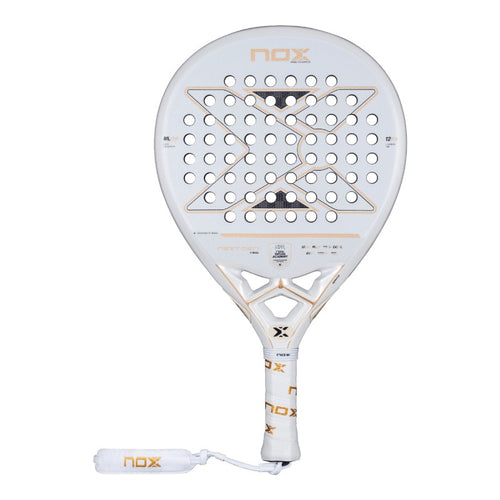
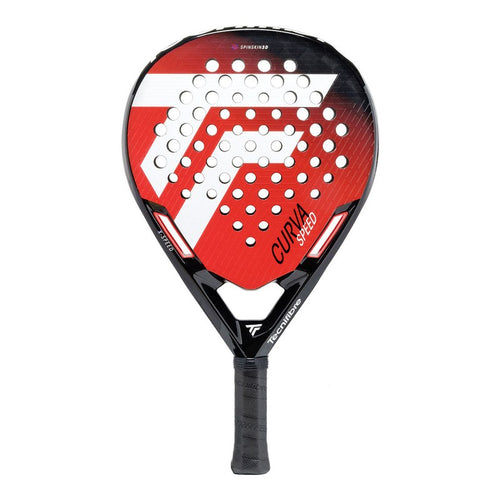
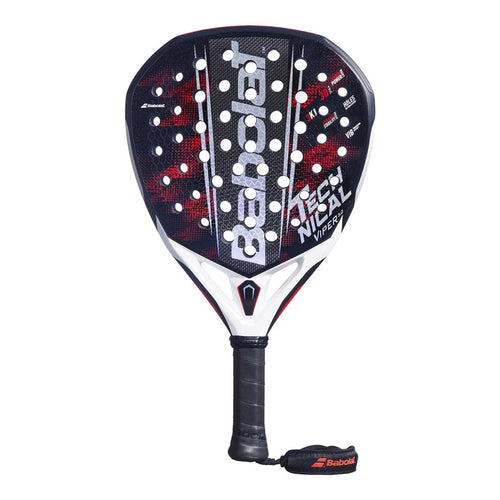
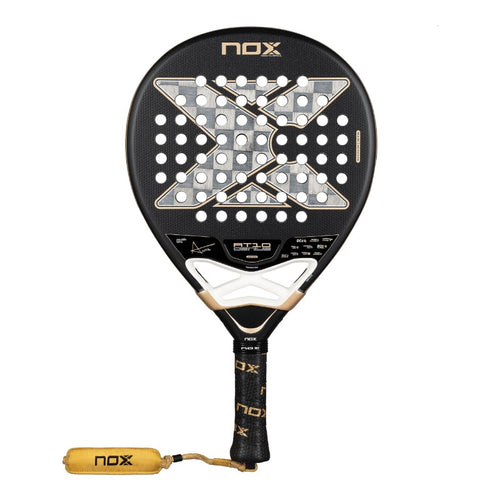
Competing in B and Open, 4.5 and up. Firmer frames that reward clean contact, with the power for the smash and the control for the long rally.
Questions people ask
What level is C grade padel?
The entry level for tournament play, roughly 2.5 to 3.5 on Padel Australia's 1–7 guide. If you can rally confidently at medium pace and know where to stand, C is where to start.
Is B grade padel hard?
Yes. B is a strong, experienced level, roughly 3.5 to 5.0. The rule that men in the national top 40 and women in the top 20 can't enter B only stops the very best dropping down. It doesn't make B an easy grade.
What is a 4.0 padel player?
On Padel Australia's guide, a 4.0 hits winners and forces mistakes at pace. That is the top of the intermediate band, typically a strong C or a B tournament player.
Do I need a ranking to play C grade?
No. You need an annual Padel Australia player licence, and you must be 15 or older on 1 January of the year (younger players need written permission). Unranked players can enter C.
Is my Playtomic level the same as my Padel Australia rating?
No. Both run to 7, but they are separate scales worked out in different ways. Use your Playtomic level inside the app, and Padel Australia's guide when you are choosing a tournament grade.
Sources
We checked these on 18 November 2026.
- Padel Australia: Matching a competition to your rating, the 1.0–7.0 guide and the grade matched to each band.
- Padel Australia: Tournament Regulations, May 2026, for the B, C and D ranking caps, prize money and licence rules.
- Padel Australia: Ranking Rules, January 2026, for the points tables and the best-six rule.
- Playtomic: how the level system works.
Know your level? Find the racket that suits it.
Five quick questions, scored against every racket we stock. Takes 60 seconds.